
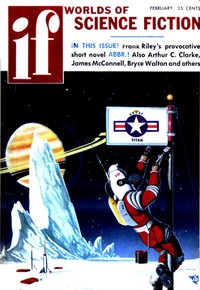
Cronus of the D. F. C.
Written by Lloyd Biggle
Chaptra reads alongside you — AI insights, chapter breakdowns and reader discussions for every book. Join free
About this book
Reading guide
Themes, characters and key ideas in Cronus of the D. F. C., written by Chaptra AI.
- about 8 hours
- intermediate
- Intriguing
- Thought-provoking
- Diplomatic
In Lloyd Biggle, Jr.'s "Cronus of the D. F. C.," a seasoned agent of the Diplomatic Free Corps (D.F.C.) is dispatched to a technologically advanced yet culturally enigmatic alien world to resolve a brewing interstellar incident. The narrative centers on the agent's struggle to understand the planet's intricate social structures and the seemingly omnipotent influence of a figure known only as Cronus, whose decrees paradoxically maintain peace while stifling progress. The story delves into themes of cultural relativism, the ethics of intervention, and the subtle power dynamics that govern both alien societies and human bureaucracy. Ultimately, the D.F.C. agent must navigate a labyrinth of tradition and mystery to uncover Cronus's true nature and the secret behind the planet's peculiar stability.
“"True diplomacy is not about imposing solutions, but about understanding the very fabric of another's reality."”
Key themes
- Cultural Relativism vs. Universal Ethics
- The novel deeply explores the tension between respecting alien cultural norms and adhering to universal ethical principles concerning freedom and self-determination. Vance struggles with whether Xylos's enforced peace, however stable, is morally superior to a society that allows for individual choice and potential conflict. Biggle questions if human ideals of progress are universally applicable or merely ethnocentric.
- Power, Control, and Authority
- The story examines different forms of power: the overt, absolute authority of Cronus; the diplomatic power of the D.F.C.; and the subtle power of cultural tradition and expectation. It questions the nature of control, whether it's benevolent or tyrannical, and how societies respond to unchallenged authority, particularly when that authority ensures peace and stability.
- Communication and Misunderstanding
- A recurring Biggle theme, this novel highlights the profound challenges of effective communication, not just between species but also within a society governed by an enigmatic entity. It explores how information is transmitted, interpreted, and often distorted, leading to diplomatic incidents and internal societal frustrations.
Worth discussing
How does Biggle define 'progress' in the context of Xylosian society, and how does it compare to human notions of progress?
Chapter-by-chapter breakdowns, character arcs and the full thematic analysis come with a free account.
Discussions
No one has started one yet
Questions this book opens up
No discussions yet
Be the first to start a discussion about this book!
Sign up to start the discussionReviews
No reviews yet
Be the first to review this book!