
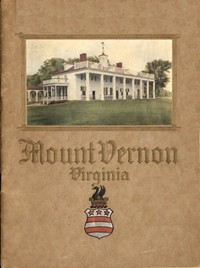
An Illustrated Handbook of Mount Vernon, the Home of Washington
Written by Mount Vernon Ladies' Association of the Union
Chaptra reads alongside you — AI insights, chapter breakdowns and reader discussions for every book. Join free
About this book
Reading guide
Themes, characters and key ideas in An Illustrated Handbook of Mount Vernon, the Home of Washington, written by Chaptra AI.
- about 8 hours
- intermediate
- informative
- historical
- reverent
An Illustrated Handbook of Mount Vernon, the Home of Washington serves as a comprehensive guide to George Washington's historic estate, meticulously detailing its history, architecture, grounds, and the lives of those who resided there. Published by the Mount Vernon Ladies' Association of the Union, the book not only educates visitors on the physical aspects of the property but also illuminates Washington's personal life, his agricultural pursuits, and his enduring legacy. Through descriptive text and illustrations, it aims to preserve and interpret a vital piece of American heritage, offering a window into 18th-century plantation life and the character of the nation's first president. The handbook functions as both a historical document and a practical companion for those exploring Mount Vernon.
“"To understand the man, one must understand his home. Mount Vernon stands as a testament to Washington's character, vision, and the very fabric of early American life."”
Key themes
- Historical Preservation and National Heritage
- This is the overarching theme, as the handbook itself is a product and celebration of historical preservation. It details the efforts to save Mount Vernon from decay and commercial exploitation, underscoring the belief that tangible historical sites are crucial for understanding and maintaining national identity. The book emphasizes the importance of learning from the past by preserving its physical remnants.
- The Legacy of George Washington
- The book meticulously explores Washington's legacy not just as a military and political leader, but as a planter, an innovator, and a private citizen. Mount Vernon is presented as a physical manifestation of his character, his vision for the future, and his values. The theme examines how his home reflects his agricultural pursuits, his architectural tastes, and his management style, thereby shaping our understanding of the man behind the myth.
- Life in 18th-Century America
- Beyond Washington, the handbook offers a window into the daily life, social structures, and economic realities of a prominent 18th-century American plantation. It implicitly or explicitly addresses the roles of various inhabitants, from the Washington family to the overseers, hired laborers, and enslaved people, providing context for understanding the complexities of colonial and early republican society.
Worth discussing
How does the preservation of historical sites like Mount Vernon contribute to our understanding of national identity and history?
Chapter-by-chapter breakdowns, character arcs and the full thematic analysis come with a free account.
Discussions
No one has started one yet
Questions this book opens up
No discussions yet
Be the first to start a discussion about this book!
Sign up to start the discussionReviews
No reviews yet
Be the first to review this book!