
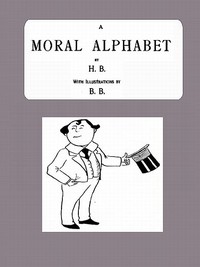
A Moral Alphabet
Written by Hilaire Belloc
Chaptra reads alongside you — AI insights, chapter breakdowns and reader discussions for every book. Join free
About this book
Reading guide
Themes, characters and key ideas in A Moral Alphabet, written by Chaptra AI.
- about 2 hours
- beginner
- humorous
- educational
- whimsical
Hilaire Belloc's "A Moral Alphabet" is a charming late 19th-century collection of illustrated children's poetry, ingeniously structured around the English alphabet. Each of the twenty-six poems introduces a letter through a whimsical character or scenario, designed to impart a specific moral lesson. From advocating honesty and responsibility to subtly critiquing societal foibles, the book masterfully blends playful language with didactic intent. It serves as both an entertaining primer for young readers learning their letters and an engaging guide to ethical behavior, underscored by clever rhymes and humorous illustrations that make its lessons memorable.
“A is for Archibald, truthful and true, / Who always told facts, as all good children do.”
Key themes
- Morality and Ethics
- This is the central and overarching theme of the book. Each poem directly or indirectly explores a specific moral virtue (e.g., honesty, diligence, kindness) or warns against a vice (e.g., irresponsibility, vanity, laziness). The book aims to instill a clear sense of right and wrong in young readers.
- Consequences of Actions
- A recurring motif is the direct link between a character's actions and their subsequent outcomes. Good deeds are rewarded, while bad deeds invariably lead to negative repercussions, reinforcing the idea of personal accountability and cause-and-effect.
- Education and Learning
- The very structure of an alphabet book inherently promotes education and learning. Beyond just teaching letters, the book uses the framework to impart moral knowledge, suggesting that true education encompasses not just academic facts but also ethical understanding and character development.
Worth discussing
How does Belloc use humor to make moral lessons more palatable for children?
Chapter-by-chapter breakdowns, character arcs and the full thematic analysis come with a free account.
Discussions
No one has started one yet
Questions this book opens up
No discussions yet
Be the first to start a discussion about this book!
Sign up to start the discussionReviews
No reviews yet
Be the first to review this book!