
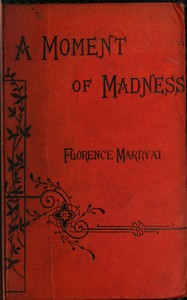
A moment of madness, and other stories (vol. 3 of 3)
Written by Florence Marryat
Chaptra reads alongside you — AI insights, chapter breakdowns and reader discussions for every book. Join free
About this book
Reading guide
Themes, characters and key ideas in A moment of madness, and other stories (vol. 3 of 3), written by Chaptra AI.
- about 8 hours
- intermediate
- mysterious
- suspenseful
- psychological
Florence Marryat's "A Moment of Madness, and Other Stories" (Vol. 3 of 3) delves into the intricate emotional and social landscapes of late 19th-century Victorian society through a collection of compelling short narratives. The titular story introduces Ethel Dunstan, isolated in a castle with her daughter, grappling with unnerving servant behavior, her husband's suspected infidelity, and chilling local ghost stories. This volume masterfully blends domestic drama, psychological tension, and the supernatural, exploring themes of jealousy, fear, and the precariousness of sanity. Marryat uses these tales to scrutinize human behavior, societal constraints, and the often-unseen struggles within Victorian relationships and morality.
“"The thin veil between reason and unreason, how easily it tears."”
Key themes
- Jealousy and Infidelity
- The theme of jealousy is central, driven by Ethel's intense suspicion of her husband's infidelity with Mrs. Lawless. This suspicion fuels her emotional distress and colors her perception of all other events, highlighting the destructive power of marital discord and perceived betrayal.
- Fear and Paranoia
- Fear permeates the narrative, stemming from multiple sources: the unsettling behavior of servants, concerns for Katie's safety, and the chilling ghost stories of the castle. This fear escalates into paranoia, blurring the lines between reality and Ethel's increasingly distressed perceptions.
- Madness and Sanity
- The titular theme explores the fragility of sanity, particularly under duress. Ethel perceives 'madness' in her servants, but the narrative also implicitly questions her own psychological state as her fears and suspicions intensify. This theme reflects Victorian society's fascination with, and often limited understanding of, mental illness.
Worth discussing
How does Marryat use the setting of the isolated castle to amplify Ethel's psychological state and the overall suspense?
Chapter-by-chapter breakdowns, character arcs and the full thematic analysis come with a free account.
Discussions
No one has started one yet
Questions this book opens up
No discussions yet
Be the first to start a discussion about this book!
Sign up to start the discussionReviews
No reviews yet
Be the first to review this book!