
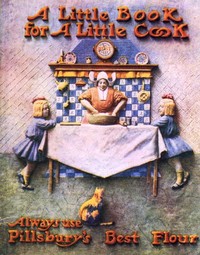
A Little Book for A Little Cook
Written by L. P. Hubbard
Chaptra reads alongside you — AI insights, chapter breakdowns and reader discussions for every book. Join free
About this book
Read it with a club
Small groups reading the same books and talking as they go.


News
- 4 members
- 1,813 discussions
- Active Sep 11
Read A Little Book for A Little Cook alongside people who are reading it too.
Also here: News Bulletin, Just Joking....
Chaptra Prime — paid clubs, every club feature, and unlimited reading support, for $5 a month or $60 once.
See PrimeReading guide
Themes, characters and key ideas in A Little Book for A Little Cook, written by Chaptra AI.
- about 8 hours
- beginner
- uplifting
- wholesome
- nostalgic
L. P. Hubbard's "A Little Book for A Little Cook," published in 1905, is a charming and foundational guide designed to introduce young children to the joys and practicalities of cooking. This collection of straightforward recipes, ranging from basic breads to delightful cakes, serves as an early 20th-century primer for developing kitchen skills and fostering culinary creativity. Beyond mere instruction, the book aims to instill a sense of accomplishment and independence in its 'little cooks,' emphasizing the value of home-cooked meals and family traditions. Through its simple language, clear steps, and engaging tone, it creates a nostalgic atmosphere that encourages young learners to embark on their own culinary adventures, making cooking an enjoyable and essential life skill.
“Every little cook can make a grand dish with a bit of care and a happy heart.”
Key themes
- Culinary Education and Practical Life Skills
- The foundational theme of the book, emphasizing the importance of teaching children basic cooking and baking skills as essential life competencies. It positions the kitchen as a classroom for practical knowledge, encouraging self-sufficiency and resourcefulness from a young age.
- Joy, Creativity, and Accomplishment
- This theme explores the intrinsic pleasure derived from the act of cooking and creating. The book aims to make the culinary process enjoyable, fostering a sense of adventure and encouraging young cooks to take pride in their handmade creations, leading to a strong sense of accomplishment.
- Domesticity and Family Bonding
- The book subtly reinforces the values of home life and the importance of food in bringing families together. By teaching children to cook, it promotes participation in household duties and fosters a sense of contribution to the family unit, creating shared experiences and memories around the kitchen table.
Worth discussing
How does 'A Little Book for A Little Cook' reflect the societal values and expectations for children (especially girls) in the early 20th century regarding domestic skills?
Chapter-by-chapter breakdowns, character arcs and the full thematic analysis come with a free account.
Discussions
No one has started one yet
Questions this book opens up
No discussions yet
Be the first to start a discussion about this book!
Sign up to start the discussionReviews
No reviews yet
Be the first to review this book!