
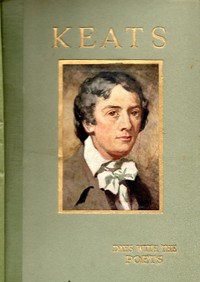
About this book
Reading guide
Themes, characters and key ideas in A Day with Keats, written by Chaptra AI.
- about 7 hours
- intermediate
- reflective
- melancholic
- romantic
May Byron's "A Day with Keats" is an early 20th-century biographical work that offers an intimate, reflective look into the life of the Romantic poet John Keats, focusing intensely on a single day. The narrative explores Keats's artistic temperament, his personal struggles, and his profound romantic entanglement with Fanny Brawne, all set against the backdrop of his declining health and societal pressures. Byron portrays Keats as a sensitive and passionate genius, whose yearning for beauty is deeply intertwined with his experiences of love, loss, and the ever-present shadow of mortality. Through vivid descriptions and interweaving Keats's own poetry, the book captures the essence of his artistic vision and the poignant conflicts that defined his brief yet brilliant life, ultimately framing his fleeting moments of happiness within his tragic destiny.
“"He saw beauty, not as a fleeting glimpse, but as the very fabric of existence, a truth to be pursued with every breath."”
Key themes
- Beauty and Artistry
- This theme is central, exploring Keats's profound belief in the intrinsic value of beauty and its inextricable link to truth. Byron illustrates how Keats's life was a continuous pursuit and creation of beauty through his poetry, often as a means to transcend suffering and mortality. The narrative details his inspirations, his creative process, and his unwavering dedication to his art.
- Love and Loss
- The book deeply explores the intensity of Keats's love for Fanny Brawne, portraying it as both a source of immense joy and profound anguish. This theme is intertwined with the pain of separation, the fear of losing her due to his illness, and the general melancholy that pervaded his life. Love, in Byron's depiction, is a powerful, consuming force that fuels both his happiness and his despair.
- Mortality and Fleeting Happiness
- Underlying the entire narrative is the poignant awareness of Keats's declining health and the shadow of his impending early death. This theme casts a melancholic hue over his moments of joy and artistic triumph, emphasizing the fragility of life and the preciousness of fleeting happiness. Byron highlights how this awareness shaped Keats's perspective on life, love, and the urgency of his artistic output.
Worth discussing
How does focusing on a single day enhance or limit our understanding of Keats's life and work?
Chapter-by-chapter breakdowns, character arcs and the full thematic analysis come with a free account.
Discussions
No one has started one yet
Questions this book opens up
No discussions yet
Be the first to start a discussion about this book!
Sign up to start the discussionReviews
No reviews yet
Be the first to review this book!