
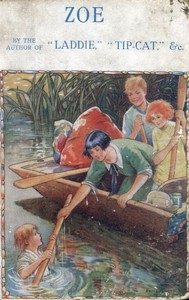
Zoe
Written by Evelyn Whitaker
Chaptra reads alongside you — AI insights, chapter breakdowns and reader discussions for every book. Join free
About this book
Reading guide
Themes, characters and key ideas in Zoe, written by Chaptra AI.
- about 9 hours
- intermediate
- uplifting
- heartwarming
- observational
Evelyn Whitaker's "Zoe," a late 19th-century novel, tells the poignant story of a young foundling girl adopted by a struggling but kind rural family. Discovered abandoned in a garden, Zoe's unusual origins spark curiosity and speculation within the small village community, setting the stage for a narrative deeply rooted in themes of kinship and belonging. The novel meticulously explores the complexities of unconditional parental love as the Grays, despite their meager circumstances, provide Zoe with a warm and nurturing home. Through Zoe's life and the relationships she forms, Whitaker delves into societal perceptions of those with mysterious beginnings and celebrates the profound bonds of chosen family against the backdrop of a close-knit rural community.
“"It was not by blood, but by the heart's true measure, that Zoe became their own."”
Key themes
- Kinship and Chosen Family
- This is the central theme, exploring the idea that family is defined not solely by blood ties but by love, commitment, and shared experience. The Grays' adoption of Zoe, despite her unknown origins and their own poverty, exemplifies this profound bond, challenging societal norms of the late 19th century.
- Societal Perception and Stigma
- The novel examines how society, particularly a small rural community, views and treats individuals with unusual or unknown origins. Zoe, as a foundling, faces initial curiosity, gossip, and potential judgment, highlighting the stigma associated with illegitimacy or lack of clear lineage in the Victorian era.
- Parental Love and Sacrifice
- This theme celebrates the depth and transformative power of parental love, particularly in the context of the Grays' devotion to Zoe. It explores the sacrifices, both material and emotional, that parents make for their children, and how this love can flourish despite challenging circumstances.
Worth discussing
How does 'Zoe' challenge the conventional understanding of family and kinship in the late 19th century?
Chapter-by-chapter breakdowns, character arcs and the full thematic analysis come with a free account.
Discussions
No one has started one yet
Questions this book opens up
No discussions yet
Be the first to start a discussion about this book!
Sign up to start the discussionReviews
No reviews yet
Be the first to review this book!