
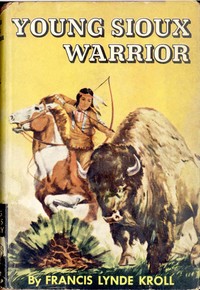
Young Sioux Warrior
Written by Francis Lynde Kroll
Chaptra reads alongside you — AI insights, chapter breakdowns and reader discussions for every book. Join free
About this book
Reading guide
Themes, characters and key ideas in Young Sioux Warrior, written by Chaptra AI.
- about 8 hours
- intermediate
- adventurous
- challenging
- coming-of-age
Francis Lynde Kroll's "Young Sioux Warrior" chronicles the coming-of-age journey of Little Bear, a young Sioux boy striving to prove himself worthy of warrior status. Set amidst the dramatic backdrop of his tribe's daily life, which includes crucial council meetings and vital hunting expeditions, Little Bear faces both internal struggles with timidity and external threats from rival Pawnee tribes. His path to manhood is initiated by the symbolic gift of a bow from his grandfather, Great Bear, and is defined by lessons in courage, honor, and the responsibilities inherent in his warrior society. The narrative promises a blend of personal growth and inter-tribal conflict, as Little Bear aims to develop essential skills and even reclaim stolen horses.
“A true warrior's heart beats not just for battle, but for the well-being of his people.”
Key themes
- Rites of Passage and Coming of Age
- This is the central theme, chronicling Little Bear's journey from childhood innocence and timidity to the responsibilities and courage of a young warrior. The narrative explores the specific cultural rituals and personal trials that define this transition, such as receiving a bow, participating in hunts, and facing enemies.
- Courage and Honor
- The novel deeply explores the concepts of courage and honor as fundamental values within the Sioux warrior society. Little Bear's journey is defined by his struggle to embody these virtues, not just in battle, but in his daily life, his interactions with his tribe, and his commitment to their safety and prosperity.
- Cultural Identity and Tradition
- The story emphasizes the importance of Sioux traditions, communal life, and the preservation of cultural identity in the face of external threats and internal changes. Little Bear's education is deeply rooted in the customs and values passed down through generations, shaping his understanding of himself and his place in the world.
Worth discussing
How does Little Bear's journey reflect universal themes of coming-of-age, despite its specific cultural setting?
Chapter-by-chapter breakdowns, character arcs and the full thematic analysis come with a free account.
Discussions
No one has started one yet
Questions this book opens up
No discussions yet
Be the first to start a discussion about this book!
Sign up to start the discussionReviews
No reviews yet
Be the first to review this book!