
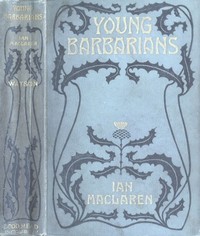
Young Barbarians
Written by Ian Maclaren
Chaptra reads alongside you — AI insights, chapter breakdowns and reader discussions for every book. Join free
About this book
Reading guide
Themes, characters and key ideas in Young Barbarians, written by Chaptra AI.
- about 7 hours
- intermediate
- humorous
- nostalgic
- charming
Ian Maclaren's "Young Barbarians" is a charming and often humorous collection of interconnected stories set in the fictional Scottish village of Drumtochty at the turn of the 20th century. The book chronicles the spirited escapades and formative experiences of the local schoolboys, affectionately dubbed "young barbarians" by their gentle but firm schoolmaster, Mr. D'Arcy. Through a series of vignettes, Maclaren explores the universal themes of childhood, education, community life, and the innocent mischief of youth, all imbued with a nostalgic and sentimental tone. It offers a vivid, often comedic, portrayal of rural Scottish life, capturing the unique blend of seriousness and fun that defined the era's school days.
“"They were not bad boys, but they were boys, and being boys, they were young barbarians."”
Key themes
- Childhood and Innocence
- The core theme of the book, exploring the unadulterated joy, boundless energy, and innocent mischief inherent in childhood. Maclaren celebrates the unique perspective of children, their capacity for wonder, and their developing understanding of the world, often through the lens of their escapades and simple pleasures.
- Education and Learning
- The school is the central setting, making education a prominent theme. The book explores the methods of Victorian-era schooling, the relationship between students and teachers, and the broader lessons learned outside the classroom. It highlights how character is shaped not just by academics but by moral guidance and social interactions.
- Community and Rural Life
- The village of Drumtochty is more than just a setting; it's a living entity that shapes the characters and their experiences. The theme explores the close-knit nature of rural communities, the interconnectedness of its inhabitants, and the shared values and traditions that bind them. It often presents an idealized vision of communal support and oversight.
Worth discussing
How does Maclaren's portrayal of childhood compare with modern perceptions of youth?
Chapter-by-chapter breakdowns, character arcs and the full thematic analysis come with a free account.
Discussions
No one has started one yet
Questions this book opens up
No discussions yet
Be the first to start a discussion about this book!
Sign up to start the discussionReviews
No reviews yet
Be the first to review this book!