
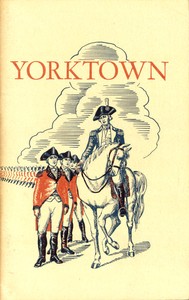
Yorktown and the Siege of 1781
Written by Charles E. Hatch
Chaptra reads alongside you — AI insights, chapter breakdowns and reader discussions for every book. Join free
About this book
Reading guide
Themes, characters and key ideas in Yorktown and the Siege of 1781, written by Chaptra AI.
- about 5 hours
- intermediate
- Informative
- Historical
- Strategic
Charles E. Hatch, Jr.'s "Yorktown and the Siege of 1781" offers a meticulously detailed historical account of the pivotal siege that effectively concluded the American Revolutionary War. Part of the National Park Service's Historical Handbook Series, the book provides an accessible yet comprehensive look at the strategic complexities, military maneuvers, and decisive events leading to the British surrender. It highlights the critical roles played by key figures like General George Washington, the Comte de Rochambeau, and Lieutenant General Cornwallis, underscoring the vital Franco-American alliance. Through a clear and authoritative narrative, Hatch illuminates the tactical brilliance and logistical challenges that defined this monumental victory, cementing its place as a cornerstone of American independence.
“The successful coordination of land and naval forces was unprecedented and decisive, sealing the fate of the British at Yorktown.”
Key themes
- Military Strategy and Logistics
- The book meticulously details the strategic planning, troop movements, and logistical challenges faced by both sides. It highlights the brilliance of the allied forces' feint towards New York and their rapid march south, as well as the intricate details of siege warfare, including the construction of parallels, redoubts, and artillery placements.
- The Power of Alliance and Diplomacy
- A central theme is the indispensable role of the Franco-American alliance. The combined efforts of Washington's Continental Army, Rochambeau's French ground forces, and de Grasse's French fleet demonstrate the effectiveness of international cooperation and diplomatic negotiation in achieving a common goal.
- Leadership in Wartime
- The book examines the leadership qualities of the key commanders. Washington's perseverance and strategic vision, Rochambeau's disciplined command and cooperation, and Cornwallis's tactical decisions under duress are all implicitly analyzed, showcasing the impact of individual leadership on the outcome of a major conflict.
Worth discussing
Discuss the strategic genius of Washington and Rochambeau in orchestrating the Yorktown campaign. What were the key elements of their plan?
Chapter-by-chapter breakdowns, character arcs and the full thematic analysis come with a free account.
Discussions
No one has started one yet
Questions this book opens up
No discussions yet
Be the first to start a discussion about this book!
Sign up to start the discussionReviews
No reviews yet
Be the first to review this book!