
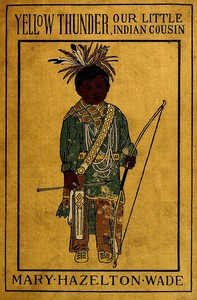
Yellow Thunder, Our Little Indian Cousin
Written by Mary Hazelton Blanchard Wade
Chaptra reads alongside you — AI insights, chapter breakdowns and reader discussions for every book. Join free
About this book
Reading guide
Themes, characters and key ideas in Yellow Thunder, Our Little Indian Cousin, written by Chaptra AI.
- about 2 hours
- beginner
- Educational
- Gentle
- Wholesome
Mary Hazelton Blanchard Wade's "Yellow Thunder, Our Little Indian Cousin" is an early 20th-century children's book designed to introduce young readers to Native American culture through the eyes of a young boy named Yellow Thunder. Part of the "Little Cousin" series, the narrative explores Yellow Thunder's daily life, traditions, and the values of his people, including hunting, fishing, and seasonal festivals. The story also gently touches upon the impact of white settlers on his community, emphasizing themes of resilience, community, and respect for nature and heritage. Ultimately, the book aims to foster understanding and appreciation for Native American traditions and the challenges faced by indigenous peoples.
“"The wisdom of the elders is like the deep roots of the ancient tree, holding our people strong."”
Key themes
- Cultural Preservation and Heritage
- This theme explores the vital importance of maintaining and passing down tribal traditions, customs, and knowledge across generations. Through Yellow Thunder's learning experiences – from hunting rituals to seasonal festivals and ancestral stories – the book emphasizes how these practices define identity and ensure the survival of a people's distinct way of life. It subtly highlights the fragility of culture in the face of external change.
- Connection to Nature and Environment
- The book deeply explores the symbiotic relationship between Native American culture and the natural world. It illustrates how the land, animals, and seasons are not merely resources but integral parts of life, spirituality, and identity. Yellow Thunder's activities like hunting, fishing, and observing seasonal changes demonstrate a profound respect for and dependence on the environment, reflecting a worldview where humans are part of nature, not separate from it.
- Community and Family Bonds
- The narrative highlights the strength and importance of collective identity, family ties, and communal support within Yellow Thunder's tribe. His education is not solitary but a community effort, involving elders, parents, and other tribal members who contribute to his upbringing and cultural immersion. This theme underscores the value of intergenerational connections, shared responsibility, and the sense of belonging that defines tribal life.
Worth discussing
How does the book attempt to foster understanding and empathy for Native American culture, and what are its limitations in doing so?
Chapter-by-chapter breakdowns, character arcs and the full thematic analysis come with a free account.
Discussions
No one has started one yet
Questions this book opens up
No discussions yet
Be the first to start a discussion about this book!
Sign up to start the discussionReviews
No reviews yet
Be the first to review this book!