
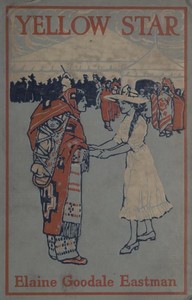
Yellow Star: A Story of East and West
Written by Elaine Goodale Eastman
Chaptra reads alongside you — AI insights, chapter breakdowns and reader discussions for every book. Join free
About this book
Reading guide
Themes, characters and key ideas in Yellow Star: A Story of East and West, written by Chaptra AI.
- about 8 hours
- intermediate
- reflective
- melancholy
- thought-provoking
Elaine Goodale Eastman's "Yellow Star: A Story of East and West" chronicles the challenging journey of Stella, a young Dakota girl, as she is adopted into a white New England family in the early 20th century. Renamed Yellow Star, Stella grapples with profound questions of identity and belonging, striving to reconcile her indigenous heritage with the foreign customs of her new home. The novel meticulously details her struggles for acceptance within a predominantly white community, particularly as she navigates the social dynamics of school and the contrasting personalities of her adoptive guardians. It offers a poignant exploration of cultural intersection, the impact of prejudice, and the enduring human need for connection amidst profound personal and societal divides.
“"The village of Laurel, with its neat white houses and trim gardens, seemed a world away from the vast, open plains of her memory."”
Key themes
- Identity and Belonging
- This is the central theme, exploring Stella's struggle to define herself amidst two disparate cultures. She grapples with her indigenous heritage and the pressures to assimilate into white New England society, questioning where she truly belongs and who she truly is.
- Cultural Conflict and Assimilation
- The novel directly addresses the clash between indigenous Dakota culture and early 20th-century white American culture. It examines the societal expectation for indigenous individuals to abandon their heritage and adopt 'civilized' white ways, often framed as benevolent but ultimately destructive.
- Prejudice and Acceptance
- The theme explores the various forms of prejudice Stella encounters, from overt disapproval (Miss Sophia) to subtle, well-intentioned but harmful biases (Mrs. Waring). It highlights the challenges of gaining acceptance in a community that views cultural difference with suspicion or misunderstanding.
Worth discussing
How does Stella's dual identity as 'Yellow Star' and 'Stella' reflect her internal conflict throughout the novel?
Chapter-by-chapter breakdowns, character arcs and the full thematic analysis come with a free account.
Discussions
No one has started one yet
Questions this book opens up
No discussions yet
Be the first to start a discussion about this book!
Sign up to start the discussionReviews
No reviews yet
Be the first to review this book!