
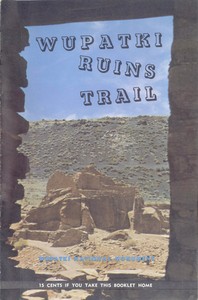
Wupatki Ruins Trail, Wupatki National Monument
Written by Southwest Parks and Monuments Association
Chaptra reads alongside you — AI insights, chapter breakdowns and reader discussions for every book. Join free
About this book
Reading guide
Themes, characters and key ideas in Wupatki Ruins Trail, Wupatki National Monument, written by Chaptra AI.
- about 8 hours
- intermediate
- informative
- historical
- educational
Wupatki Ruins Trail, Wupatki National Monument" is an essential mid-20th century guidebook published by the Southwest Parks and Monuments Association in collaboration with the National Park Service. It meticulously guides visitors through the Wupatki Ruins, detailing the historical and archaeological significance of the Sinagua Indian settlement, which flourished from A.D. 1120 to A.D. 1210. The publication serves as both an educational tool and a practical trail guide, enhancing understanding of the site's architecture, daily life, agricultural practices, and environmental context. By correlating numbered landmarks on the trail with detailed textual explanations, it fosters a deeper appreciation for the cultural heritage and emphasizes the critical importance of its preservation.
“Each stone tells a story of the Sinagua people, their ingenuity, and their profound connection to this land.”
Key themes
- Preservation and Stewardship of Cultural Heritage
- This is a paramount theme, as the guidebook explicitly aims to educate visitors on the importance of protecting the Wupatki Ruins. It fosters an understanding that these sites are irreplaceable records of human history, deserving of respect and careful management for future generations. The act of guiding visitors is itself an act of stewardship, aiming to prevent damage through informed appreciation.
- Human-Environment Interaction and Adaptation
- The guidebook meticulously details how the Sinagua people adapted their lives, architecture, and agricultural practices to the specific environmental conditions of the Wupatki region. It explores how natural resources (stone, water, arable land) influenced their settlement patterns and daily routines, and how environmental changes (like volcanic eruptions or climatic shifts) ultimately contributed to the site's abandonment, highlighting the delicate balance between human society and its ecological context.
- Cultural Heritage and Indigenous History
- The guide serves as a primary vehicle for transmitting the history and cultural practices of the Sinagua people to a broader audience. It illuminates aspects of their daily lives, social organization, technological achievements (e.g., architecture, agriculture), and their place within the wider network of ancient Southwest cultures. While written from a mid-20th-century archaeological perspective, it aims to foster respect and understanding for a vibrant Indigenous past.
Worth discussing
How does the guidebook's structure (numbered landmarks) enhance the visitor's experience and understanding of the ruins?
Chapter-by-chapter breakdowns, character arcs and the full thematic analysis come with a free account.
Discussions
No one has started one yet
Questions this book opens up
No discussions yet
Be the first to start a discussion about this book!
Sign up to start the discussionReviews
No reviews yet
Be the first to review this book!