
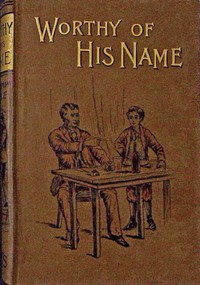
Worthy of his name
Written by Eglanton Thorne
Chaptra reads alongside you — AI insights, chapter breakdowns and reader discussions for every book. Join free
About this book
Reading guide
Themes, characters and key ideas in Worthy of his name, written by Chaptra AI.
- about 8 hours
- intermediate
- somber
- hopeful
- resilient
Eglanton Thorne's late 19th-century novel, "Worthy of His Name," delves into the arduous life of young Gus Rew and his father, Augustus Carruthers, a gentleman fallen into destitution due to alcoholism and misfortune. Set in the grim Lavender Terrace, the story explores Gus's unwavering determination to uphold the values of a true gentleman, a promise made to his regretful, ailing father, despite their abject poverty and societal ridicule. The narrative poignantly examines themes of resilience, identity, and the inherited legacy of both nobility and personal failure. It sets up a compelling exploration of whether true gentility is a matter of birthright or character, offering a hopeful perspective amidst grim realities.
“"I made a promise, Father, and a gentleman always keeps his word, no matter the rags he wears." (Illustrative of Gus's resolve)”
Key themes
- Identity and the True Gentleman
- This theme explores what truly constitutes a 'gentleman.' Is it inherited lineage, social status, wealth, or inherent moral character? The novel challenges societal prejudices that equate gentility with external factors, arguing instead for inner virtue, integrity, and honor as the true markers of a gentleman, embodied by Gus despite his poverty.
- Resilience and Hope in Adversity
- The novel highlights the human capacity for resilience in the face of extreme poverty, social prejudice, and personal tragedy. Gus's unwavering determination and optimism, even amidst the grim reality of Lavender Terrace and his father's despair, serve as a testament to the enduring power of hope and the human spirit's ability to persevere.
- The Burden and Legacy of the Past
- This theme explores how the past, particularly the actions and status of previous generations, impacts the present and future. Augustus Carruthers's 'noble lineage' and his subsequent 'fall' cast a long shadow over Gus, presenting both a heritage to aspire to and a cautionary tale. It delves into the weight of inherited expectations and the consequences of past choices.
Worth discussing
How does the novel define 'gentleman'? Is it a matter of birth, wealth, or character, and how does Gus challenge these definitions?
Chapter-by-chapter breakdowns, character arcs and the full thematic analysis come with a free account.
Discussions
No one has started one yet
Questions this book opens up
No discussions yet
Be the first to start a discussion about this book!
Sign up to start the discussionReviews
No reviews yet
Be the first to review this book!