
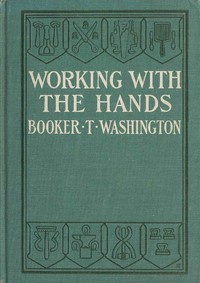
Working With the Hands: Being a Sequel to "Up from Slavery," Covering the Author's Experiences in Industrial Training at Tuskegee
Written by Booker T. Washington
Not rated yet — tap a star to review it
Chaptra reads alongside you — AI insights, chapter breakdowns and reader discussions for every book. Join free
About this book
"Working With the Hands" by Booker T. Washington is a motivational work that emphasizes the importance of industrial training and manual labor, written in the early 20th century. The text primarily serves as a sequel to Washington's earlier autobiography, "Up from Slavery," showcasing his experiences and philosophies related to education and labor at the Tuskegee Institute. The book advocates for a balanced education that combines practical skills with moral and intellectual growth, targeting not just the academic development but also the empowerment of individuals through hands-on work. The opening of the book presents Washington's reflections on the dignity of manual labor and its role in education, drawing from his own life experiences as a young boy and later as an educator. He recalls his early days after emancipation, highlighting the societal notions that equated education with a dismissal of physical work. Washington shares anecdotes, such as his experience living with a demanding employer who taught him the values of discipline and hard work. He emphasizes that true education should link mental and manual skills, ultimately aiming to uplift the African American community through practical training while fostering a sense of self-respect and personal achievement.
Reading guide
Themes, characters and key ideas in Working With the Hands: Being a Sequel to "Up from Slavery," Covering the Author's Experiences in Industrial Training at Tuskegee, written by Chaptra AI.
A reading guide for this book hasn't been written yet. Chaptra builds one the first time a reader opens it.
Chapter-by-chapter breakdowns, character arcs and the full thematic analysis come with a free account.
Discussions
No one has started one yet
No discussions yet
Be the first to start a discussion about this book!
Sign up to start the discussionReviews
No reviews yet
Be the first to review this book!