
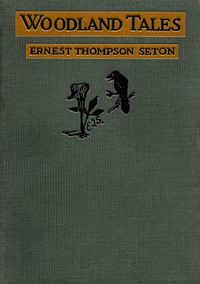
Woodland Tales
Written by Ernest Thompson Seton
Chaptra reads alongside you — AI insights, chapter breakdowns and reader discussions for every book. Join free
About this book
Reading guide
Themes, characters and key ideas in Woodland Tales, written by Chaptra AI.
- about 8 hours
- intermediate
- whimsical
- enchanting
- educational
Ernest Thompson Seton's "Woodland Tales" is an enchanting early 20th-century collection of children's stories that seamlessly blends nature, mythology, and moral lessons. Through whimsical narratives featuring characters from the natural world, Seton aims to inspire curiosity about the outdoors and impart wisdom. The book's preface introduces his "Woodcraft" philosophy, encouraging readers to explore and appreciate nature more deeply. Tales like the love story of El Sol and Snowroba, and the origin of the Bloodroot flower, weave folklore with natural history, making it a captivating read for all ages that seeks to educate and entertain while fostering wonder for the environment.
“The wild world holds lessons for every heart that listens, and wisdom for every mind that seeks.”
Key themes
- Nature's Interconnectedness and Cycles
- This theme explores how all elements of the natural world—from the sun and snow to flowers and animals—are deeply connected and part of continuous, cyclical processes. The stories often illustrate how the actions of one natural entity affect others, emphasizing the delicate balance of ecosystems and the inevitability of change.
- Imagination, Wonder, and the Magic of Nature
- A central theme is the cultivation of imagination and a sense of wonder, particularly regarding the natural world. Seton transforms mundane natural occurrences into magical, enchanting narratives, encouraging readers to see the extraordinary in the ordinary and appreciate the inherent mystery and beauty of their surroundings.
- Morality and Wisdom through Allegory
- Seton uses his whimsical tales as vehicles for imparting moral lessons and practical wisdom. Characters, often anthropomorphized animals or natural forces, face dilemmas or demonstrate virtues that teach readers about kindness, perseverance, courage, and the consequences of actions, often reflecting ethical principles found in nature itself.
Worth discussing
How does Seton's 'Woodcraft' philosophy encourage a deeper connection with nature? How can we apply it today?
Chapter-by-chapter breakdowns, character arcs and the full thematic analysis come with a free account.
Discussions
No one has started one yet
Questions this book opens up
No discussions yet
Be the first to start a discussion about this book!
Sign up to start the discussionReviews
No reviews yet
Be the first to review this book!