
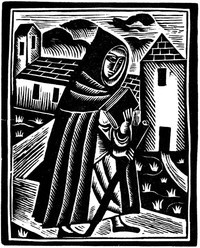
Wood Engraving
Written by R. J. Beedham
Chaptra reads alongside you — AI insights, chapter breakdowns and reader discussions for every book. Join free
About this book
Reading guide
Themes, characters and key ideas in Wood Engraving, written by Chaptra AI.
- about 8 hours
- intermediate
- instructive
- reflective
- didactic
R. J. Beedham's "Wood Engraving" is a foundational early 20th-century manual designed to teach the craft of wood engraving to beginners. Written amidst the decline of the art form due to photographic reproduction, the book meticulously covers essential techniques, tools, and materials, from selecting boxwood to drawing, engraving, and proof-taking. Beyond its practical instruction, Beedham offers a philosophical reflection on the state of art, lamenting the erosion of artistic standards for commercial gain. He passionately advocates for individual craftsmanship and artistic integrity, positioning the book as both a practical guide and a poignant call to preserve a valuable artistic tradition.
“The degradation of artistic standards in favor of commercial success is a lamentable trend.”
Key themes
- Preservation of Craft
- At its core, the book is an act of preservation. Beedham meticulously documents and teaches the craft of wood engraving at a time when it was facing obsolescence due to new technologies. He aims to ensure that the knowledge and skills are not lost.
- Artistry vs. Commercialism
- Beedham critically examines the tension between artistic integrity and commercial pressures. He laments how the pursuit of commercial success can lead to a degradation of artistic standards, contrasting the meticulous craft of wood engraving with the faster, more commodified photographic reproduction.
- Individual Responsibility in Art
- Beedham strongly emphasizes the personal accountability of the artist for the quality and integrity of their work. He urges aspiring engravers to take ownership of their craft, resisting external pressures to compromise their artistic standards.
Worth discussing
How does the rise of new technologies impact traditional art forms, both positively and negatively?
Chapter-by-chapter breakdowns, character arcs and the full thematic analysis come with a free account.
Discussions
No one has started one yet
Questions this book opens up
No discussions yet
Be the first to start a discussion about this book!
Sign up to start the discussionReviews
No reviews yet
Be the first to review this book!