
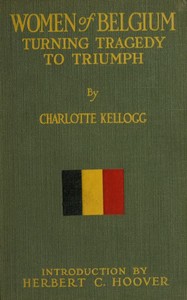
Women of Belgium: Turning Tragedy to Triumph
Written by Charlotte Kellogg
Chaptra reads alongside you — AI insights, chapter breakdowns and reader discussions for every book. Join free
About this book
Reading guide
Themes, characters and key ideas in Women of Belgium: Turning Tragedy to Triumph, written by Chaptra AI.
- about 8 hours
- intermediate
- somber
- inspiring
- historical
Charlotte Kellogg's "Women of Belgium: Turning Tragedy to Triumph" is an early 20th-century historical account that illuminates the extraordinary resilience and humanitarian efforts of Belgian women during World War I. The book opens with a stark introduction by Herbert C. Hoover, detailing the widespread devastation, hunger, and despair gripping Belgium. Against this backdrop, Kellogg meticulously documents how women, including figures like Queen Elizabeth and nurse Marie de Page, rose to meet the crisis. It portrays their vital roles in relief efforts, nursing, and community support, emphasizing their unwavering spirit and collective strength. The narrative ultimately celebrates their ability to transform profound national tragedy into a testament of human compassion and triumph.
“The tragedy of Belgium was not merely a military one; it was a profound human catastrophe, a crucible in which the spirit of its women was tested, and from which it emerged, not broken, but forged anew.”
Key themes
- Resilience in Adversity
- This theme explores the extraordinary capacity of Belgian women to endure immense suffering and loss, and to actively work towards recovery and support in the face of war's devastation. It highlights their mental and emotional fortitude.
- Women's Agency and Empowerment
- The book demonstrates how World War I forced and allowed Belgian women to step into roles traditionally reserved for men or previously considered outside the female sphere. It showcases their active leadership, organizational skills, and critical contributions to national survival.
- Community and Collective Action
- This theme highlights the power of solidarity and mutual support among the Belgian populace, particularly among women. It illustrates how individual acts of kindness coalesced into organized, effective relief efforts that sustained communities.
Worth discussing
How does Kellogg's portrayal of Belgian women challenge traditional narratives of wartime heroism, which often focus on male soldiers?
Chapter-by-chapter breakdowns, character arcs and the full thematic analysis come with a free account.
Discussions
No one has started one yet
Questions this book opens up
No discussions yet
Be the first to start a discussion about this book!
Sign up to start the discussionReviews
No reviews yet
Be the first to review this book!