
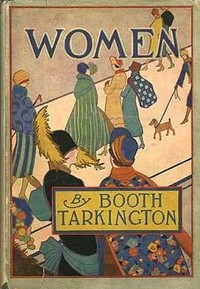
Women
Written by Booth Tarkington
Chaptra reads alongside you — AI insights, chapter breakdowns and reader discussions for every book. Join free
About this book
Reading guide
Themes, characters and key ideas in Women, written by Chaptra AI.
- about 8 hours
- intermediate
- observational
- satirical
- witty
Booth Tarkington's "Women" offers a keen, often satirical, look into the lives of various women residing in an affluent American neighborhood during the 1920s. Through a series of interconnected vignettes and character studies, the novel explores the social rituals, expectations, and subtle power dynamics that define their existence, particularly concerning marriage, status, and domestic life. Narrated primarily from a male observer's perspective, the book critiques the superficiality and societal pressures that shape these women's aspirations and interactions. It ultimately serves as a nuanced social commentary on gender roles and the pursuit of happiness within the confines of established conventions.
“"It is impossible to be happy without a proper sense of superiority."”
Key themes
- Societal Expectations and Gender Roles
- This is the overarching theme, exploring how women's lives are shaped by the rigid social conventions of the early 20th century. Their value is often tied to marriage, their husband's status, and their ability to maintain a 'proper' home and social life. The theme highlights the pressures to conform and the limited avenues for female autonomy.
- Superficiality and Materialism
- Tarkington critiques the shallow nature of the upper-middle-class society he depicts, where appearances, wealth, and material possessions often take precedence over genuine emotion, intellect, or moral character. The characters are frequently preoccupied with gossip, social climbing, and maintaining a facade of prosperity and happiness.
- The Pursuit of Happiness and Disillusionment
- Many of the women in the novel are in pursuit of happiness, often equating it with marriage, social acceptance, or a certain lifestyle. However, the narrative frequently reveals the underlying disillusionment, boredom, or quiet despair that can accompany these seemingly ideal lives, suggesting that societal ideals often fall short of true contentment.
Worth discussing
How does Tarkington's male perspective influence the portrayal of the female characters? Is it sympathetic, critical, or both?
Chapter-by-chapter breakdowns, character arcs and the full thematic analysis come with a free account.
Discussions
No one has started one yet
Questions this book opens up
No discussions yet
Be the first to start a discussion about this book!
Sign up to start the discussionReviews
No reviews yet
Be the first to review this book!