
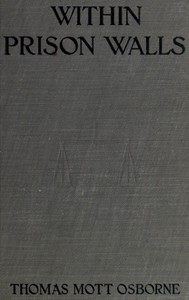
Within Prison Walls: being a narrative during a week of voluntary confinement in the state prison at Auburn, New York
Written by Thomas Mott Osborne
Not rated yet — tap a star to review it
Chaptra reads alongside you — AI insights, chapter breakdowns and reader discussions for every book. Join free
About this book
"Within Prison Walls" by Thomas Mott Osborne is a narrative account detailing the author's personal experience during a week of voluntary confinement in Auburn State Prison, written in the early 20th century. Through this unique immersion, Osborne seeks to explore the realities of prison life, aiming to better understand the conditions and human experiences of incarcerated individuals. The narrative reveals his motivations rooted in a desire for prison reform and a genuine connection with the inmates he encounters. At the start of the narrative, the author recounts the profound impact a childhood visit to Auburn Prison had on him, instilling both fear and curiosity. Years later, spurred by a growing interest in the prison system and his work with troubled youth, he resolves to spend a week as a prisoner to gain firsthand insight into the lives of inmates. He enters the prison as "Thomas Brown" and begins documenting his experiences and observations through a journal. The opening chapters describe his initial feelings of confinement, loneliness, and an ever-curious perspective as he is introduced to the stark realities of prison routines, daily tasks, and the complex human dynamics within the prison walls.
Reading guide
Themes, characters and key ideas in Within Prison Walls: being a narrative during a week of voluntary confinement in the state prison at Auburn, New York, written by Chaptra AI.
A reading guide for this book hasn't been written yet. Chaptra builds one the first time a reader opens it.
Chapter-by-chapter breakdowns, character arcs and the full thematic analysis come with a free account.
Discussions
No one has started one yet
No discussions yet
Be the first to start a discussion about this book!
Sign up to start the discussionReviews
No reviews yet
Be the first to review this book!