
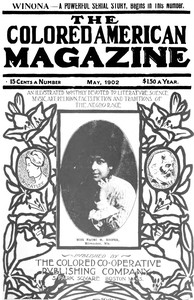
Winona : $b A tale of Negro life in the South and Southwest
Written by Pauline E. (Pauline Elizabeth) Hopkins
Chaptra reads alongside you — AI insights, chapter breakdowns and reader discussions for every book. Join free
About this book
Read it with a club
Small groups reading the same books and talking as they go.


News
- 4 members
- 1,813 discussions
- Active Sep 11
Read Winona : $b A tale of Negro life in the South and Southwest alongside people who are reading it too.
Also here: News Bulletin, Just Joking....
Chaptra Prime — paid clubs, every club feature, and unlimited reading support, for $5 a month or $60 once.
See PrimeReading guide
Themes, characters and key ideas in Winona : $b A tale of Negro life in the South and Southwest, written by Chaptra AI.
- about 12 hours
- intermediate
- historical
- dramatic
- thought-provoking
Pauline E. Hopkins's "Winona: A Tale of Negro Life in the South and Southwest" is a seminal early 20th-century novel that intricately weaves themes of race, identity, and social justice through the lives of its protagonists, Winona and Judah. Set against the tumultuous backdrop of mid-19th century America, the story follows the mixed-heritage children of White Eagle, a white man adopted by Native Americans, as they navigate a society rife with racial prejudice, slavery, and the displacement of Indigenous peoples. The narrative explores their perilous journey from an idyllic childhood to a world demanding they confront their complex identities and fight for freedom and recognition. Ultimately, the novel serves as a powerful commentary on the fluidity of racial categories, the quest for belonging, and the enduring human spirit in the face of systemic injustice.
“"Race is but a name, a phantom, when the heart beats true to humanity."”
Key themes
- Race and Identity
- The novel profoundly explores the fluidity and constructed nature of racial identity, challenging the rigid racial binaries of the 19th century. Through characters like Winona (who can pass as white) and Judah (who is visibly mixed-race), Hopkins demonstrates how race dictates social standing, freedom, and personal experience, while also arguing for an identity rooted in character and heritage beyond skin color.
- Social Justice and Abolition
- Hopkins uses the narrative to vehemently condemn slavery and advocate for social justice, particularly for African Americans and Native Americans. The characters' struggles against oppression, their involvement in the abolitionist movement, and their quest for legal and moral recognition highlight the deep injustices of the era.
- Family and Belonging
- Central to the narrative is the theme of family, both biological and chosen, and the profound human need for belonging. The separation of Winona and Judah, their arduous journey to reunite, and the complex nature of their family's origins underscore the importance of familial bonds in shaping identity and providing support in a hostile world.
Worth discussing
How does Hopkins challenge the concept of 'race' and racial identity through the characters of Winona and Judah?
Chapter-by-chapter breakdowns, character arcs and the full thematic analysis come with a free account.
Discussions
No one has started one yet
Questions this book opens up
No discussions yet
Be the first to start a discussion about this book!
Sign up to start the discussionReviews
No reviews yet
Be the first to review this book!