
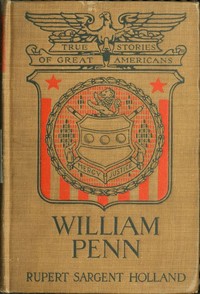
William Penn
Written by Rupert Sargent Holland
Chaptra reads alongside you — AI insights, chapter breakdowns and reader discussions for every book. Join free
About this book
Reading guide
Themes, characters and key ideas in William Penn, written by Chaptra AI.
- about 8 hours
- intermediate
- informative
- historical
- inspiring
Rupert Sargent Holland's "William Penn" is an early 20th-century historical biography chronicling the transformative life of the Quaker founder of Pennsylvania. The book delves into Penn's journey from a privileged 17th-century English aristocratic background to becoming a fervent advocate for religious freedom and peaceful coexistence. It highlights his early struggles, including his embrace of Quakerism against his father's wishes, and his pivotal role in establishing a colony built on radical principles of liberty and fair dealings with Indigenous populations. The narrative situates Penn's personal evolution within the turbulent backdrop of the English Civil War and the burgeoning religious movements of the era, ultimately portraying him as a visionary leader whose ideals profoundly shaped American foundational values.
“Specific memorable quotes cannot be provided without access to the full text of the book. However, the book would likely feature quotes from William Penn's own writings on religious freedom, governance, and peace, such as his 'Frame of Government' or letters to Native American leaders, which would be central to understanding his philosophy.”
Key themes
- Religious Freedom and Tolerance
- This is the cornerstone of William Penn's philosophy and the primary motivation behind the founding of Pennsylvania. The book extensively details the persecution faced by Quakers and other religious dissenters in 17th-century England, setting the stage for Penn's fervent advocacy for liberty of conscience. It explores how Penn envisioned a society where individuals could worship freely without fear of state interference or persecution, a radical concept for its time.
- Peace and Non-violence
- As a Quaker, Penn was deeply committed to pacifism and sought to establish a society free from war and violent conflict. This theme explores how Penn applied these principles not only within the colony but also in its external relations, most notably with Indigenous peoples. It details the challenges of maintaining peace in a violent world and the radical nature of Penn's commitment to non-aggression.
- Social Justice and Fair Treatment
- Beyond religious freedom, Penn championed a broader vision of social justice, emphasizing equitable treatment for all, including those marginalized or oppressed. This theme particularly focuses on his groundbreaking approach to Indigenous land rights and his efforts to ensure a fair legal system for all inhabitants of Pennsylvania.
Worth discussing
How did William Penn's Quaker faith shape his political philosophy and the founding principles of Pennsylvania?
Chapter-by-chapter breakdowns, character arcs and the full thematic analysis come with a free account.
Discussions
No one has started one yet
Questions this book opens up
No discussions yet
Be the first to start a discussion about this book!
Sign up to start the discussionReviews
No reviews yet
Be the first to review this book!