
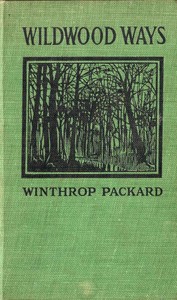
Wildwood Ways
Written by Winthrop Packard
Chaptra reads alongside you — AI insights, chapter breakdowns and reader discussions for every book. Join free
About this book
Reading guide
Themes, characters and key ideas in Wildwood Ways, written by Chaptra AI.
- about 8 hours
- intermediate
- contemplative
- serene
- observational
Winthrop Packard's "Wildwood Ways" is an early 20th-century masterpiece of nature writing, inviting readers into the intricate beauty and rhythms of the natural world. Through rich, descriptive prose, Packard meticulously documents seasonal transitions, the behaviors of diverse wildlife, and the profound interconnectedness of forest life. The book fosters a contemplative appreciation for wilderness, emphasizing keen observation and poetic reflection on nature's subtle yet powerful forces. It serves as a timeless immersion into the outdoor experience, appealing to those seeking a deeper connection with the environment.
“The wildwood, even in its winter sleep, hums with a thousand hidden lives, each a testament to nature's enduring will.”
Key themes
- Interconnectedness of Life
- A core tenet of Packard's observations is the intricate web of relationships that bind all living things in the wildwood. He illustrates how plants, animals, and even inanimate elements like weather and soil are interdependent, forming a complex ecosystem where every component plays a vital role.
- The Cyclical Nature of Life and Seasons
- Packard extensively explores the continuous cycles of birth, growth, decay, and renewal that define the natural world. The book's structure often follows the progression of seasons, highlighting how each period brings unique challenges and beauty, and how life persists through constant change and adaptation.
- The Beauty and Wonder of the Natural World
- Packard's prose consistently evokes a sense of awe and reverence for the aesthetic and intrinsic value of nature. He highlights the visual splendor of landscapes, the intricate design of flora and fauna, and the subtle majesty of natural processes, inviting readers to find beauty in every detail.
Worth discussing
How does Packard's depiction of seasonal change influence your understanding of nature's cycles?
Chapter-by-chapter breakdowns, character arcs and the full thematic analysis come with a free account.
Discussions
No one has started one yet
Questions this book opens up
No discussions yet
Be the first to start a discussion about this book!
Sign up to start the discussionReviews
No reviews yet
Be the first to review this book!