
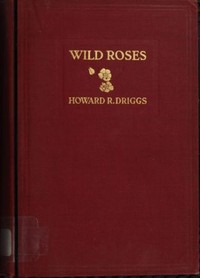
Wild Roses: A Tale of the Rockies
Written by Howard R. (Howard Roscoe) Driggs
Chaptra reads alongside you — AI insights, chapter breakdowns and reader discussions for every book. Join free
About this book
Reading guide
Themes, characters and key ideas in Wild Roses: A Tale of the Rockies, written by Chaptra AI.
- about 8 hours
- intermediate
- humorous
- romantic
- adventurous
Set in the majestic Rocky Mountains of the early 20th century, "Wild Roses: A Tale of the Rockies" immerses readers in the vibrant lives of cowboys and ranchers. The narrative kicks off with a lively Fourth of July celebration at Bar B ranch, showcasing classic cowboy revelry, horse races, and playful banter. Amidst the boisterous atmosphere, new dynamics emerge with the arrival of two ranch girls, Alta Morgan and Sally Johnson, sparking romantic interests, particularly for Fred Benton. However, the festive spirit is underscored by brewing rivalries and jealousy, epitomized by Bud Nixon, hinting at deeper conflicts and challenges that will unfold within the story's rustic Western setting.
“"The Rocky Mountains stood sentinel, silent witnesses to the boisterous spirit of the Bar B ranch, where freedom truly sang."”
Key themes
- Life in the American West
- This overarching theme defines the novel's setting and lifestyle. It explores the unique challenges, freedoms, and cultural identity of cowboys and ranchers in the Rocky Mountains during the early 20th century. It romanticizes certain aspects of frontier life while also hinting at its underlying ruggedness and the need for resilience.
- Community and Tradition
- The novel highlights the strong bonds within the ranching community and the importance of shared traditions, such as the Fourth of July celebration. These traditions serve to unite the characters, reinforce their cultural identity, and provide a framework for their social lives, even amidst personal conflicts.
- Rivalry and Competition
- Competition is a central theme, manifested through horse races, betting, and most significantly, the interpersonal conflicts fueled by jealousy. The character of Bud Nixon embodies this destructive aspect of rivalry, contrasting with the more good-natured competition seen in the celebrations.
Worth discussing
How does Driggs's portrayal of the Fourth of July celebration reflect the values and traditions of early 20th-century cowboy culture?
Chapter-by-chapter breakdowns, character arcs and the full thematic analysis come with a free account.
Discussions
No one has started one yet
Questions this book opens up
No discussions yet
Be the first to start a discussion about this book!
Sign up to start the discussionReviews
No reviews yet
Be the first to review this book!