
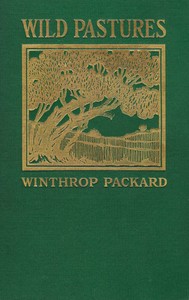
Wild Pastures
Written by Winthrop Packard
Chaptra reads alongside you — AI insights, chapter breakdowns and reader discussions for every book. Join free
About this book
Reading guide
Themes, characters and key ideas in Wild Pastures, written by Chaptra AI.
- about 8 hours
- intermediate
- serene
- reflective
- idyllic
Winthrop Packard's "Wild Pastures" is an early 20th-century nature narrative that offers a deeply immersive and reflective journey through the rural New England landscape. Through rich, descriptive prose, Packard meticulously details the intricate beauty and vibrant life found within pastures, woods, and untamed areas. The book explores the delicate balance and often harmonious coexistence between human civilization and the encroaching wilderness. It serves as a profound meditation on nature's enduring resilience, a nostalgic look at a pastoral ideal, and an invitation to engage more deeply with the natural world through careful observation, offering readers a serene escape into its timeless rhythms.
“At dawn, the pasture breathes, a tapestry of close-cropped turf and moss-kissed stone, where every dewdrop holds a miniature sun.”
Key themes
- Nature's Resilience and Persistence
- The book consistently highlights the inherent ability of nature to recover, adapt, and thrive, often despite or alongside human presence and intervention. Packard showcases the enduring life cycles, the tenacity of wildlife, and the slow, powerful growth of vegetation that reclaims disturbed areas, emphasizing nature's indomitable spirit.
- Coexistence of Civilization and Wilderness
- Packard intricately explores the permeable boundaries between landscapes shaped by human activity (such as pastures, stone fences, and 'well-trodden paths') and the untamed natural world. He observes how elements of the wild persist and integrate within and alongside human settlements, illustrating a delicate, often harmonious, balance rather than a stark separation.
- Nostalgia and the Pastoral Ideal
- The narrative is imbued with a profound sense of longing for a simpler, more idyllic past, characterized by a closer, more harmonious connection to nature. This nostalgia is tied to a romanticized vision of rural New England, where life moved at nature's pace and the landscape retained much of its pristine, untroubled beauty, reflecting a yearning for a less complicated existence.
Worth discussing
How does Packard's depiction of the New England landscape compare to your own experiences or perceptions of nature?
Chapter-by-chapter breakdowns, character arcs and the full thematic analysis come with a free account.
Discussions
No one has started one yet
Questions this book opens up
No discussions yet
Be the first to start a discussion about this book!
Sign up to start the discussionReviews
No reviews yet
Be the first to review this book!