
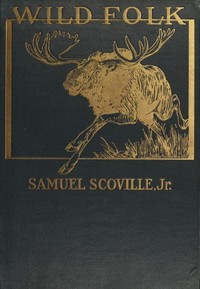
Wild Folk
Written by Samuel Scoville
Chaptra reads alongside you — AI insights, chapter breakdowns and reader discussions for every book. Join free
About this book
Reading guide
Themes, characters and key ideas in Wild Folk, written by Chaptra AI.
- about 8 hours
- intermediate
- Evocative
- Educational
- Melancholy
Wild Folk by Samuel Scoville is an early 20th-century novel that offers an intimate look into the lives and adventures of various woodland creatures. The narrative masterfully transitions from the quiet dormancy of winter to the vibrant awakening of spring, setting the stage for stories of survival and learning. It primarily follows a young raccoon's perilous first ventures into the world, emphasizing the crucial role of parental care, instinct, and hard-earned experience in navigating the harsh realities of the wild. The book delves into the daily struggles, dangers from predators, and subtle human threats faced by animal families, painting a vivid tableau of life in their natural habitats. Ultimately, it serves as a profound exploration of nature's beauty, its unforgiving cycle, and the enduring spirit of its inhabitants.
“The wild knows no sentiment, only the stark, unyielding truth of hunger and the hunt.”
Key themes
- Survival in the Wild
- This theme is central to the entire narrative, depicting the relentless struggle of woodland creatures to find food, secure shelter, and evade predators. It explores the daily challenges and the constant vigilance required to simply exist in an unforgiving natural environment, highlighting the raw, primal essence of life.
- Parental Nurturing and Education
- The novel deeply explores the critical role of the parent, particularly the raccoon mother, in teaching her offspring the necessary skills for survival. It illustrates how instinct is refined through learned experience and careful guidance, emphasizing the profound bond and responsibility involved in raising young in a dangerous world.
- The Cycle of Nature and Seasons
- The narrative uses the cyclical progression of seasons, from winter's dormancy to spring's awakening, as a fundamental structure and thematic device. It underscores the constant renewal and transformation inherent in nature, and how all life is intricately tied to these rhythms, dictating opportunities, challenges, and the very flow of existence.
Worth discussing
How does Scoville balance the beauty and brutality of nature in 'Wild Folk'?
Chapter-by-chapter breakdowns, character arcs and the full thematic analysis come with a free account.
Discussions
No one has started one yet
Questions this book opens up
No discussions yet
Be the first to start a discussion about this book!
Sign up to start the discussionReviews
No reviews yet
Be the first to review this book!