
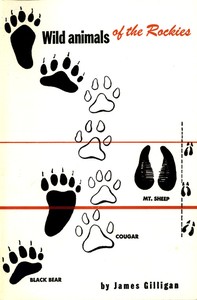
Wild Animals of the Rockies: With a List of Mammals found in Rocky Mountain National Park
Written by James P. (James Pershing) Gilligan
Chaptra reads alongside you — AI insights, chapter breakdowns and reader discussions for every book. Join free
About this book
Reading guide
Themes, characters and key ideas in Wild Animals of the Rockies: With a List of Mammals found in Rocky Mountain National Park, written by Chaptra AI.
- about 10 hours
- intermediate
- informative
- educational
- scientific
James P. Gilligan's "Wild Animals of the Rockies" is a foundational mid-20th century scientific guide offering a comprehensive exploration of mammal species found within the Rocky Mountain region, particularly Rocky Mountain National Park. The book meticulously details the identification, habits, and environmental adaptations of various animals, ranging from large ungulates like elk and mule deer to formidable carnivores such as black bears and cougars. Beyond mere description, Gilligan delves into the historical shifts in wildlife populations, the imperative for conservation, and the complex challenges of balancing human presence with ecological health. Through detailed descriptions, illustrations, and a species checklist, it serves as an invaluable resource for both naturalists and those interested in the intricate dynamics of Rocky Mountain wildlife and early conservation efforts.
“The intricate balance of nature in the Rockies is a testament to the adaptive resilience of its wild inhabitants.”
Key themes
- Human Impact and Conservation
- Gilligan extensively explores the historical and ongoing effects of human activities on wildlife populations and their habitats. He addresses the challenges posed by settlement, historical hunting practices, and increasing tourism, advocating for proactive conservation efforts and responsible wildlife management to mitigate negative impacts.
- Biodiversity and Ecological Balance
- The book meticulously details the wide array of mammal species inhabiting the Rocky Mountains, emphasizing their unique adaptations and interconnectedness within the ecosystem. Gilligan highlights how each species contributes to the overall health and stability of the mountain environment, underscoring the delicate balance that defines a healthy ecosystem.
- Wildlife Adaptation and Survival
- The book highlights the remarkable ways in which Rocky Mountain mammals have adapted to their challenging environment, including harsh winters, high altitudes, and varied terrains. Gilligan details specific physical and behavioral adaptations that enable these animals to thrive, emphasizing the constant struggle for survival in a dynamic ecosystem.
Worth discussing
How has our understanding of wildlife populations and conservation evolved since the mid-20th century, as presented by Gilligan?
Chapter-by-chapter breakdowns, character arcs and the full thematic analysis come with a free account.
Discussions
No one has started one yet
Questions this book opens up
No discussions yet
Be the first to start a discussion about this book!
Sign up to start the discussionReviews
No reviews yet
Be the first to review this book!