
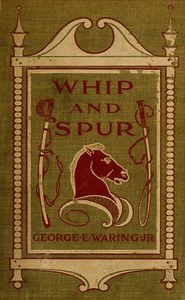
Whip and Spur
Written by George E. (George Edwin) Waring
Chaptra reads alongside you — AI insights, chapter breakdowns and reader discussions for every book. Join free
About this book
Reading guide
Themes, characters and key ideas in Whip and Spur, written by Chaptra AI.
- about 7 hours
- intermediate
- nostalgic
- reflective
- historical
George E. Waring's "Whip and Spur" is an autobiographical reflection from the late 19th century, chronicling his profound connection with horses, particularly during his service as a colonel in the Civil War. The narrative delves into the transformative bond between humans and equines, exemplified by his journey with a worn-down mare named Vixen, whom he nurses back to health. Through vivid descriptions and nostalgic recollections, Waring explores themes of resilience, companionship, and the vital role these noble creatures played in his personal and military life. The book opens with his quest for a suitable saddle-horse in Central Park, setting the stage for an intimate exploration of attachment, duty, and the enduring spirit found in both man and beast.
“A horse is not merely a beast of burden, but a companion, a mirror to one's own spirit, especially in times of strife.”
Key themes
- The Human-Animal Bond
- This is the central theme, exploring the deep, often unspoken connection between humans and horses. Waring emphasizes the emotional, psychological, and practical significance of these bonds, particularly in challenging environments like war. It highlights horses as companions, confidantes, and essential partners rather than mere tools.
- Resilience and Transformation
- This theme is explored through both Waring's own experiences and, most notably, through the character of Vixen. It highlights the capacity for recovery, growth, and renewed purpose in the face of adversity, whether physical, emotional, or environmental. Waring's dedication to Vixen underscores the idea that care and belief can lead to profound transformation.
- The Reality of War and Duty
- While not a primary war narrative, the Civil War serves as a crucial backdrop, shaping the characters' experiences and highlighting the practical and emotional demands placed on soldiers and their mounts. The theme explores the concept of duty, the harsh realities of conflict, and the specific role of cavalry in 19th-century warfare.
Worth discussing
How does Waring's depiction of horses challenge or reinforce traditional views of animals in 19th-century society?
Chapter-by-chapter breakdowns, character arcs and the full thematic analysis come with a free account.
Discussions
No one has started one yet
Questions this book opens up
No discussions yet
Be the first to start a discussion about this book!
Sign up to start the discussionReviews
No reviews yet
Be the first to review this book!