
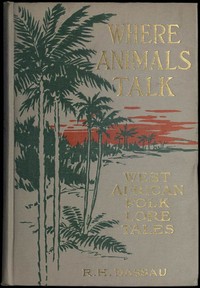
Where Animals Talk: West African Folk Lore Tales
Written by Robert Hamill Nassau
Chaptra reads alongside you — AI insights, chapter breakdowns and reader discussions for every book. Join free
About this book
Reading guide
Themes, characters and key ideas in Where Animals Talk: West African Folk Lore Tales, written by Chaptra AI.
- about 8 hours
- intermediate
- cautionary
- traditional
- moralistic
Robert Hamill Nassau's "Where Animals Talk: West African Folk Lore Tales" is a late 19th-century compilation that offers a window into the rich oral tradition of West African Ekano storytelling. The collection primarily features anthropomorphic animals, notably Leopard and Rat, whose interactions explore complex themes of cunning, betrayal, and the delicate balance of friendship and social dynamics. Emphasizing the adaptability and personal flair of traditional narrators, the tales serve as cautionary lessons, often highlighting the consequences of trust and deceit. Through engaging narratives, Nassau's work illuminates fundamental aspects of human nature, societal values, and cultural beliefs embedded within these vibrant West African folklores.
“"Do not trust your friend, for even the most innocent-seeming creature may harbor a heart of treachery."”
Key themes
- Trust and Betrayal
- This is the central theme, explored repeatedly through the interactions between characters like Leopard and Rat. The tales consistently illustrate the dangers of misplaced trust and the painful consequences of betrayal, serving as cautionary lessons for social interactions within the community.
- Wisdom and Folly
- The tales often contrast characters who demonstrate wisdom (usually through cunning and foresight) with those who exhibit folly (through naivety, impulsiveness, or lack of critical thinking). The narratives serve to educate the audience on how to discern true wisdom from superficial appearances.
- Social Order and Community Values
- While featuring animals, the tales indirectly reflect and reinforce the social norms and ethical codes of the West African communities from which they originate. They outline expected behaviors, the consequences of deviating from them, and the importance of maintaining communal harmony (even if achieved through cautionary tales about its disruption).
Worth discussing
How do the anthropomorphic animals in these tales serve as effective vehicles for exploring human nature and societal issues?
Chapter-by-chapter breakdowns, character arcs and the full thematic analysis come with a free account.
Discussions
No one has started one yet
Questions this book opens up
No discussions yet
Be the first to start a discussion about this book!
Sign up to start the discussionReviews
No reviews yet
Be the first to review this book!