
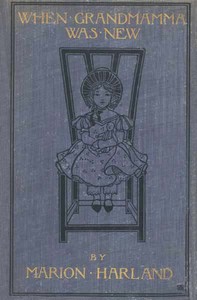
When Grandmamma Was New: The Story of a Virginia Childhood
Written by Marion Harland
Chaptra reads alongside you — AI insights, chapter breakdowns and reader discussions for every book. Join free
About this book
Reading guide
Themes, characters and key ideas in When Grandmamma Was New: The Story of a Virginia Childhood, written by Chaptra AI.
- about 8 hours
- intermediate
- nostalgic
- whimsical
- heartfelt
Marion Harland's "When Grandmamma Was New" is a tender, retrospective narrative chronicling the formative years of a young girl named Molly in 19th-century Virginia. The book offers a nostalgic glimpse into childhood experiences, focusing on domestic life, family relationships, and the vibrant inner world of a child. Through Molly's interactions with her cousin Mary 'Liza and their beloved dolls, the story explores universal themes of innocence, sibling rivalry, and the complex emotions accompanying growth. It captures the bittersweet essence of growing up, marked by both simple joys and significant emotional challenges, all told with a reflective and often humorous tone.
“"It was a world where dolls had souls, and tea-parties were matters of gravest importance."”
Key themes
- Innocence and the Journey of Growing Up
- The core theme exploring the transition from naive childhood innocence to a more complex understanding of the world and oneself. The book captures the fleeting nature of childhood and the bittersweet process of acquiring self-awareness and moral understanding through experience.
- Sibling/Cousin Rivalry and Envy
- Explicitly addressed in the book's opening, this theme delves into the common childhood experience of jealousy, competition, and the complex emotions that arise in close family relationships. It explores how these feelings can lead to impulsive actions and the subsequent lessons learned about empathy and reconciliation.
- Nostalgia and Memory
- Given the title and the retrospective nature of the narrative (implied by 'When Grandmamma Was New'), the book is deeply infused with a sense of nostalgia. It explores the act of looking back at one's childhood with fondness, reflection, and a touch of wistfulness, acknowledging the passage of time and the enduring impact of early experiences.
Worth discussing
How does Harland portray the complexities of childhood emotions, particularly envy and remorse, through Molly's experiences?
Chapter-by-chapter breakdowns, character arcs and the full thematic analysis come with a free account.
Discussions
No one has started one yet
Questions this book opens up
No discussions yet
Be the first to start a discussion about this book!
Sign up to start the discussionReviews
No reviews yet
Be the first to review this book!