
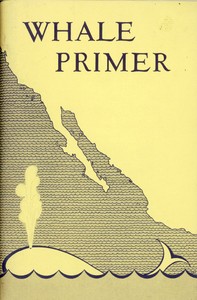
Whale Primer, with Special Attention to the California Gray Whale
Written by Theodore J. Walker
Chaptra reads alongside you — AI insights, chapter breakdowns and reader discussions for every book. Join free
About this book
Reading guide
Themes, characters and key ideas in Whale Primer, with Special Attention to the California Gray Whale, written by Chaptra AI.
- about 8 hours
- beginner
- informative
- educational
- scientific
Theodore J. Walker's "Whale Primer, with Special Attention to the California Gray Whale" is an influential early 1960s scientific publication that serves as an accessible introduction to cetology, particularly focusing on the California gray whale. The book meticulously details the gray whale's biology, behavior, and remarkable migratory patterns, contextualizing its life within the broader evolutionary history of whales and their oceanic adaptations. Beyond its scientific exposition, Walker skillfully weaves in a crucial conservation message, highlighting the historical threats posed by whaling and advocating for the preservation of these magnificent creatures. It positions the gray whale not just as a biological subject, but as a potent symbol of marine ecosystems' delicate balance and inherent resilience, aiming to foster ecological awareness among its readers.
“The California gray whale, a creature of ancient lineage, embarks on one of the longest migrations of any mammal on Earth.”
Key themes
- Conservation and Environmental Stewardship
- This is the overarching theme, as Walker uses the gray whale's story to advocate for marine conservation. He details the historical devastation wrought by whaling and emphasizes the necessity of protecting marine ecosystems and their inhabitants. The book serves as an early, powerful argument for responsible human interaction with nature.
- Marine Biology and Natural History
- The book serves as an accessible introduction to the scientific study of whales, particularly the California gray whale. It explores their physiological adaptations, feeding habits, reproductive cycles, and migratory patterns, fostering an appreciation for the complexity and wonder of marine life.
- Human Impact on Nature
- Walker directly addresses the significant and often destructive role humanity has played in the history of whale populations, particularly through commercial whaling. He implicitly and explicitly contrasts this destructive impact with the potential for positive human intervention through conservation.
Worth discussing
How does Walker effectively blend scientific information with a compelling call for conservation?
Chapter-by-chapter breakdowns, character arcs and the full thematic analysis come with a free account.
Discussions
No one has started one yet
Questions this book opens up
No discussions yet
Be the first to start a discussion about this book!
Sign up to start the discussionReviews
No reviews yet
Be the first to review this book!