
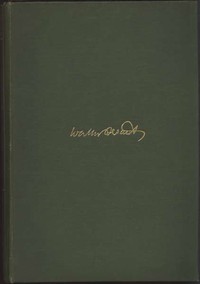
Westminster
Written by Walter Besant,A. Murray Smith,G. E. (Geraldine Edith) Mitton
Chaptra reads alongside you — AI insights, chapter breakdowns and reader discussions for every book. Join free
About this book
Reading guide
Themes, characters and key ideas in Westminster, written by Chaptra AI.
- about 10 hours
- intermediate
- Informative
- Historical
- Descriptive
Walter Besant and G. E. Mitton's "Westminster" is a comprehensive early 20th-century historical account, part of a series dedicated to preserving London's rich past. The work meticulously explores the district of Westminster, emphasizing its pivotal role as England's historical and political epicenter. It delves into the geographical and historical context of the area, detailing its boundaries and showcasing its significant architectural landmarks, particularly Westminster Abbey and the Palace of Westminster. The authors illuminate how these iconic structures have shaped and been shaped by various populations over centuries, presenting an engaging perambulation through Westminster's intertwined history, culture, and urban development.
“Westminster, in its very stones, echoes the long narrative of England's kings and commoners, a testament to enduring power and shifting fortunes.”
Key themes
- Historical Significance and Preservation
- The book's core theme is the profound historical significance of Westminster and the imperative to preserve its legacy. It emphasizes how the district, particularly its iconic buildings, serves as a physical embodiment of England's past, requiring careful documentation and appreciation for future generations.
- The Power of Place
- This theme explores how the specific geographical location and physical environment of Westminster have fundamentally shaped its historical trajectory and cultural identity. It highlights how the district's 'unique role' is intrinsically linked to its physical attributes and the structures built upon them.
- Architectural Heritage and Evolution
- The book meticulously details the architectural heritage of Westminster, examining both past and present structures. It traces the evolution of building styles, the impact of various historical periods on construction, and the enduring aesthetic and functional value of Westminster's iconic landmarks.
Worth discussing
How do historical accounts like 'Westminster' contribute to our understanding of urban development and national identity?
Chapter-by-chapter breakdowns, character arcs and the full thematic analysis come with a free account.
Discussions
No one has started one yet
Questions this book opens up
No discussions yet
Be the first to start a discussion about this book!
Sign up to start the discussionReviews
No reviews yet
Be the first to review this book!