
About this book
Reading guide
Themes, characters and key ideas in Wehman Bros.' Irish Yarns Wit and Humor, No. 2, written by Chaptra AI.
- about 8 hours
- beginner
- humorous
- lighthearted
- whimsical
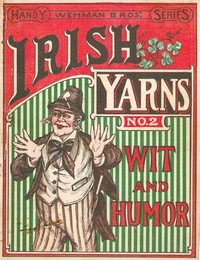
Wehman Bros.' Irish Yarns Wit and Humor, No. 2 is a vibrant collection of early 20th-century humorous anecdotes and stories, celebrating Irish wit and cultural quirks. Through a series of light-hearted vignettes, often featuring archetypal characters like Pat and Mike, the book offers a comedic lens on everyday life, social interactions, and misunderstandings. It serves as a charming snapshot of Irish identity as perceived and presented in popular culture, emphasizing camaraderie and the simple joys found in playful banter. The compilation's appeal lies in its ability to transport readers into a whimsical world of folklore and gentle satire, making it an enjoyable exploration of cultural essence through laughter.
“"Pat, is it true that a pig's trotters are good for rheumatism?" "Begorra, Mike, I don't know about rheumatism, but they're grand for runnin' away from the farmer!"”
Key themes
- Irish Wit and Cleverness
- This is the foundational theme of the entire collection, celebrating the quick-wittedness, linguistic dexterity, and unique perspective attributed to Irish characters. The humor often arises from clever retorts, wordplay, and unexpected turns of phrase that demonstrate an underlying intelligence, even when presented in a seemingly simple or naive manner. It highlights a cultural value placed on verbal ingenuity and the ability to find humor in everyday predicaments.
- Everyday Life and Social Interaction
- The humor in the book is deeply rooted in common, relatable situations of daily life. From domestic squabbles to interactions with shopkeepers, employers, or authorities, the anecdotes capture the mundane aspects of existence and transform them into sources of laughter. This theme emphasizes the shared human experience of navigating social norms, communication, and the occasional absurdities that arise from human interaction, regardless of cultural background.
- Cultural Identity and Stereotypes
- The book explores and, to some extent, perpetuates a popular cultural image of the Irish from the early 20th century. While celebrating positive traits like wit and good humor, it also engages with stereotypes, sometimes reinforcing them for comedic effect. This theme invites reflection on how ethnic identity is constructed and consumed in popular media, and the fine line between affectionate portrayal and caricature. It highlights how humor can both unite and define a group, while also potentially oversimplifying its members.
Worth discussing
How does the humor in 'Irish Yarns' reflect or challenge common stereotypes of Irish people in the early 20th century?
Chapter-by-chapter breakdowns, character arcs and the full thematic analysis come with a free account.
Discussions
No one has started one yet
Questions this book opens up
No discussions yet
Be the first to start a discussion about this book!
Sign up to start the discussionReviews
No reviews yet
Be the first to review this book!