
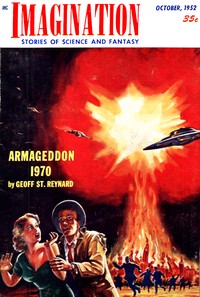
Wanderlust
Written by Alan Edward Nourse
Chaptra reads alongside you — AI insights, chapter breakdowns and reader discussions for every book. Join free
About this book
Reading guide
Themes, characters and key ideas in Wanderlust, written by Chaptra AI.
- about 8 hours
- intermediate
- conflicted
- aspirational
- melancholy
Alan Edward Nourse's "Wanderlust," a science fiction novel from the early 1950s, explores the profound generational conflict between a young man's yearning for space exploration and his father's protective fears rooted in past trauma. The narrative centers on Tad, a youth eager to abandon college for a career in spaceflight, whose aspirations clash with his father, George Barlow, a farmer haunted by the dangers of space. This poignant story reflects the post-war sentiment of a generation drawn to new frontiers, grappling with the heavy burden of dreams versus familial duty. Through powerful dialogue and emotional depth, Nourse crafts an insightful exploration of the true cost of adventure and the enduring bonds of family.
“"Father, don't you understand? It's not just a ship, it's a promise! A promise of something more than just earth and soil."”
Key themes
- Wanderlust and Exploration
- This central theme explores the innate human desire for discovery, adventure, and pushing beyond known boundaries. It's presented as a powerful, almost irresistible force, particularly for the younger generation in the post-war era looking towards space. The book delves into both the thrill and the inherent dangers and costs associated with this drive.
- Familial Duty vs. Personal Aspiration
- This theme forms the core conflict of the novel, examining the tension between a child's right to pursue their dreams and a parent's desire to protect them, often rooted in their own experiences and understanding of the world. It highlights the sacrifices and emotional burdens placed on both sides of this dynamic.
- The Price of Progress/Exploration
- Beyond the thrill of discovery, this theme delves into the hidden costs, sacrifices, and potential losses associated with pushing the boundaries of human knowledge and endeavor. It suggests that every great leap forward, whether technological or exploratory, comes with a heavy burden, often paid by individuals and their loved ones.
Worth discussing
How does Nourse portray the inherent conflict between personal ambition and familial responsibility?
Chapter-by-chapter breakdowns, character arcs and the full thematic analysis come with a free account.
Discussions
No one has started one yet
Questions this book opens up
No discussions yet
Be the first to start a discussion about this book!
Sign up to start the discussionReviews
No reviews yet
Be the first to review this book!