
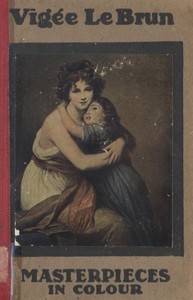
Vigée Le Brun
Written by Haldane Macfall
Chaptra reads alongside you — AI insights, chapter breakdowns and reader discussions for every book. Join free
About this book
Reading guide
Themes, characters and key ideas in Vigée Le Brun, written by Chaptra AI.
- about 8 hours
- intermediate
- historical
- biographical
- artistic
Haldane Macfall's early 20th-century biography, "Vigée Le Brun," offers a comprehensive look into the life and career of Élisabeth Louise Vigée Le Brun, a preeminent 18th-century portrait painter. The book chronicles her remarkable journey from a talented Parisian youth to a celebrated artist, renowned for her unique style and close association with Queen Marie Antoinette. Macfall explores the significant challenges she navigated as a woman in the patriarchal art world, alongside her personal struggles, including a difficult marriage and the tumultuous experience of exile during the French Revolution. Ultimately, the biography not only celebrates her enduring artistic legacy but also vividly portrays the dramatic social and political landscape that profoundly shaped her life and work.
“"In the salon of Madame Vigée Le Brun, one felt not merely the presence of art, but the very pulse of a changing world."”
Key themes
- Artistic Genius and Innovation
- The biography extensively explores Vigée Le Brun's unique artistic vision, her departure from rigid academic conventions, and her ability to capture the essence and humanity of her subjects. It highlights her role in shaping 18th-century portraiture.
- Female Agency and Resilience in a Male-Dominated World
- This theme examines the significant challenges Vigée Le Brun faced as a professional woman artist in an era where such a career was largely uncommon and often met with skepticism. It underscores her determination, skill, and strategic navigation of societal expectations to achieve unparalleled success.
- Art and Politics/Social Turmoil
- The biography intricately weaves Vigée Le Brun's personal and professional life with the dramatic political and social changes of late 18th-century France, particularly the French Revolution. It illustrates how art both reflects and is impacted by historical events.
Worth discussing
How does Macfall's biography illuminate the challenges faced by women artists in the 18th century, and what parallels can be drawn to contemporary issues?
Chapter-by-chapter breakdowns, character arcs and the full thematic analysis come with a free account.
Discussions
No one has started one yet
Questions this book opens up
No discussions yet
Be the first to start a discussion about this book!
Sign up to start the discussionReviews
No reviews yet
Be the first to review this book!