
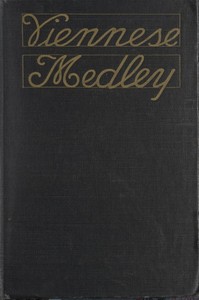
Viennese medley
Written by Edith O'Shaughnessy
Chaptra reads alongside you — AI insights, chapter breakdowns and reader discussions for every book. Join free
About this book
Reading guide
Themes, characters and key ideas in Viennese medley, written by Chaptra AI.
- about 8 hours
- intermediate
- melancholic
- reflective
- poignant
Edith O'Shaughnessy's "Viennese Medley" is a poignant novel set in post-World War I Vienna, chronicling the struggles of Frau Ildefonse Stacher, a widowed woman of the middle class, as she grapples with profound loss and societal upheaval. Stripped of her wealth, identity, and social standing, Frau Stacher, affectionately known as Tante Ilde, faces the painful decision of selling her ancestral home, a symbol of her former life. The narrative explores her deep relationship with her niece, Corinne, and delves into Tante Ilde's melancholic reflections on her past, juxtaposed with the harsh realities of her present and an uncertain future. It is a story of resilience, familial bonds, and the enduring human spirit amidst devastating change.
Key themes
- Loss and Grief
- The most prominent theme, explored through Tante Ilde's multifaceted losses: wealth, social status, home, and a sense of self. The novel delves into the emotional and psychological impact of these losses, portraying grief not just for a person but for an entire way of life and a vanished era.
- Identity and Dignity
- This theme explores how identity is shaped by social standing, material possessions, and personal history, and what happens when these foundations are stripped away. Tante Ilde's struggle to maintain her dignity in the face of poverty and societal upheaval is central to her character arc.
- Social and Economic Upheaval
- The backdrop of post-WWI Vienna with its 'social and economic upheaval' is not just a setting but an active force shaping the characters' lives. The novel implicitly critiques the devastating effects of war on the civilian population and the collapse of established social orders.
Worth discussing
How does Tante Ilde's personal loss reflect the broader societal changes in post-WWI Vienna?
Chapter-by-chapter breakdowns, character arcs and the full thematic analysis come with a free account.
Discussions
No one has started one yet
Questions this book opens up
No discussions yet
Be the first to start a discussion about this book!
Sign up to start the discussionReviews
No reviews yet
Be the first to review this book!