
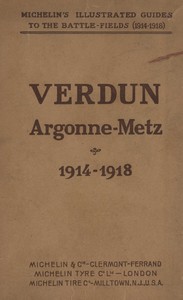
Verdun, Argonne-Metz, 1914-1918
Written by Unknown author
Chaptra reads alongside you — AI insights, chapter breakdowns and reader discussions for every book. Join free
About this book
Reading guide
Themes, characters and key ideas in Verdun, Argonne-Metz, 1914-1918, written by Chaptra AI.
- about 25 hours
- advanced
- somber
- historical
- intense
This seminal historical account meticulously chronicles the brutal and pivotal campaigns of World War I in the Verdun, Argonne, and Metz regions between 1914 and 1918. It delves into the strategic significance, tactical complexities, and immense human cost of these prolonged conflicts, which were central to the Western Front. The book likely synthesizes military reports, personal testimonies, and archival research to paint a comprehensive picture of the trench warfare, the innovative and devastating weaponry, and the sheer endurance of the soldiers involved. It serves as an essential reference for understanding the scale of sacrifice and the ultimate impact of these battles on the course of the war and subsequent history.
“Verdun became the crucible where the soul of France was tested, and her indomitable spirit forged.”
Key themes
- The Brutality and Futility of Modern Warfare
- The book would extensively illustrate how industrial-scale weaponry (artillery, machine guns, gas) led to unprecedented casualties and stalemates, making traditional battlefield heroism obsolete. The attritional nature of battles like Verdun exemplifies the immense loss of life for minimal territorial gains, questioning the very purpose and effectiveness of such conflicts.
- Human Endurance and Sacrifice
- Despite the overwhelming odds and horrific conditions, the book would showcase the incredible resilience, determination, and self-sacrifice of the soldiers. It explores how individuals and units found the will to continue fighting, endure trauma, and maintain a sense of duty amidst unimaginable suffering, often for their comrades.
- Strategic Innovation and Stagnation
- The book would analyze the evolution of military strategy and tactics throughout the war, from the initial plans for quick decisive victories to the grim reality of trench warfare. It would detail attempts at innovation (e.g., creeping barrage, tank warfare, improved logistics) alongside instances where commanders struggled to adapt to the new realities of the battlefield.
Worth discussing
How did the strategic objectives and tactical approaches at Verdun differ from those in the Meuse-Argonne Offensive, and what were the consequences of these differences?
Chapter-by-chapter breakdowns, character arcs and the full thematic analysis come with a free account.
Discussions
No one has started one yet
Questions this book opens up
No discussions yet
Be the first to start a discussion about this book!
Sign up to start the discussionReviews
No reviews yet
Be the first to review this book!