
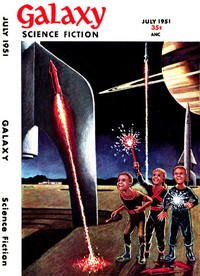
Venus is a Man's World
Written by William Tenn
Chaptra reads alongside you — AI insights, chapter breakdowns and reader discussions for every book. Join free
About this book
Read it with a club
Chaptra's fiction clubs — small groups reading the same books and talking as they go.


CraxMe Readers Book Club
Fiction
- 385 members
- 227 discussions
- Started December 2025
Welcome to the Readers Book Club. This is an informal group for like-minded people, where you can discuss books, share and recommend, track your reading progress, and lots more. Discuss Books — all about books. Discuss a particular book or genre, share your favourite quotes. Book Reviews — loved a book and highly recommend it? Or was it just average? Share your review and discuss with fellow readers. (May contain spoilers.) Group Reads — what is a book club without a group read! Buddy Reads — planning to read a book and looking for someone to read it with? Post in the Buddy Read request thread, find a reading buddy, and start discussing.
Read Venus is a Man's World alongside people who are reading it too.
Also here: Doorstops, First Lines Club
Chaptra Prime — paid clubs, every club feature, and unlimited reading support, for $5 a month or $60 once.
See PrimeReading guide
Themes, characters and key ideas in Venus is a Man's World, written by Chaptra AI.
- about 8 hours
- intermediate
- humorous
- satirical
- thought-provoking
William Tenn's "Venus is a Man's World" is a satirical science fiction short story from the 1950s that inverts traditional gender roles, portraying a matriarchal society where women are the primary travelers and seekers of mates. The narrative follows Ferdinand Sparling, a young boy journeying to Venus, who grapples with his identity in a world dominated by female expectations. His encounter with Butt Lee Brown, a rugged Venusian man, challenges Ferdinand's preconceived notions of masculinity and interpersonal relationships. The story further complicates matters when Ferdinand's sister, Evelyn, arrives, embodying the rigid societal norms and clashing with Butt. Ultimately, the tale humorously explores themes of gender, identity, and societal expectations, culminating in an unexpected resolution that redefines traditional roles.
“"The Venusian male was not an animal, but a man. A man who might be trapped, but never tamed."”
Key themes
- Gender Roles and Identity
- The central theme, explored through the complete inversion of traditional societal gender roles. Women are the dominant, adventurous sex, while men are sought after for domesticity or as mates. The story questions the arbitrary nature of these roles and how they shape individual identity, particularly for Ferdinand as he navigates his understanding of masculinity.
- Societal Satire and Critique
- Tenn uses humor and exaggeration to critique the gender norms and power dynamics prevalent in the 1950s. By reversing roles, the story highlights the absurdity and often oppressive nature of traditional expectations for both men and women, exposing the flaws in any rigid social structure.
- Coming of Age and Self-Discovery
- Ferdinand's journey is fundamentally one of self-discovery. He grapples with external expectations versus his internal sense of self, especially concerning masculinity. His experiences on Venus, particularly with Butt Lee Brown, force him to define his own identity rather than passively accept what society dictates.
Worth discussing
How does Tenn's inversion of gender roles highlight the arbitrary nature of societal expectations in the 1950s and today?
Chapter-by-chapter breakdowns, character arcs and the full thematic analysis come with a free account.
Discussions
No one has started one yet
Questions this book opens up
No discussions yet
Be the first to start a discussion about this book!
Sign up to start the discussionReviews
No reviews yet
Be the first to review this book!