
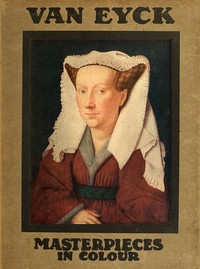
Van Eyck
Written by J. Cyril M. (James Cyril M.) Weale
Chaptra reads alongside you — AI insights, chapter breakdowns and reader discussions for every book. Join free
About this book
Reading guide
Themes, characters and key ideas in Van Eyck, written by Chaptra AI.
- about 15 hours
- advanced
- scholarly
- analytical
- informative
J. Cyril M. Weale's "Van Eyck" offers an exhaustive scholarly examination of Jan van Eyck, one of the most pivotal figures of the Northern Renaissance. The book meticulously traces Van Eyck's life, artistic development, and profound impact on painting, providing in-depth analyses of his major works such as the Ghent Altarpiece and the Arnolfini Portrait. Weale delves into the intricate symbolism, revolutionary oil painting techniques, and socio-political context that defined Van Eyck's oeuvre. It serves as a definitive resource for understanding the technical mastery and intellectual depth of this Flemish master.
“"Van Eyck's meticulous realism was not merely an aesthetic choice, but a spiritual one, imbuing the tangible world with divine presence."”
Key themes
- Artistic Innovation & Realism
- Weale extensively explores Jan van Eyck's revolutionary approach to painting, particularly his mastery of oil medium. This theme delves into how Van Eyck achieved an unprecedented level of realism, depicting textures, light, and detailed surfaces with extraordinary verisimilitude. The book analyzes how this realism was not merely superficial but served to enhance the spiritual and narrative impact of his works, making the divine tangible and immediate.
- Symbolism and Iconography
- Weale meticulously deciphers the complex layers of symbolism embedded within Van Eyck's paintings. This theme highlights how seemingly ordinary objects and details in Van Eyck's works are often imbued with profound religious, moral, or social meanings, understood by his contemporary audience. The book demonstrates how Van Eyck's art operates on multiple levels, rewarding careful observation with deeper intellectual and spiritual insights.
- Patronage and Artistic Context
- This theme explores the crucial role of patrons in shaping Van Eyck's career and the artistic landscape of the Northern Renaissance. Weale examines how powerful figures like Philip the Good and wealthy merchants commissioned works, influencing their subject matter, scale, and even specific details. The book provides insight into the economics of art, the relationship between artist and patron, and how commissions reflected the patrons' status, piety, and political aspirations.
Worth discussing
How does Weale's analysis challenge or confirm pre-existing notions about Jan van Eyck's artistic innovations?
Chapter-by-chapter breakdowns, character arcs and the full thematic analysis come with a free account.
Discussions
No one has started one yet
Questions this book opens up
No discussions yet
Be the first to start a discussion about this book!
Sign up to start the discussionReviews
No reviews yet
Be the first to review this book!