
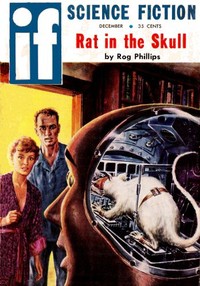
Two Whole Glorious Weeks
Written by Will Mohler
Chaptra reads alongside you — AI insights, chapter breakdowns and reader discussions for every book. Join free
About this book
Reading guide
Themes, characters and key ideas in Two Whole Glorious Weeks, written by Chaptra AI.
- about 8 hours
- intermediate
- humorous
- satirical
- dark
Will Mohler's "Two Whole Glorious Weeks" is a late 1950s satirical science fiction novel that humorously critiques the modern pursuit of leisure and escapism. The story follows a couple, Bertha and her husband, as they arrive at "Morton's Misery Farm," expecting a relaxing summer camp, only to find themselves trapped in a harsh regime of forced labor and discomfort. Through their absurd experiences, which include menial tasks and strict surveillance, the couple paradoxically gains a deeper understanding of life and fulfillment. The narrative uses dark humor and a twisted premise to comment on societal values regarding pleasure, satisfaction, and the true meaning of a 'break.'
“"We signed for glorious weeks, not glorious rocks!" – Protagonist”
Key themes
- The Critique of Leisure and Escapism
- The central theme explores the ironic and twisted nature of modern leisure and the human desire for escapism. The book satirizes the idea of a 'perfect' vacation, suggesting that the pursuit of effortless pleasure can lead to unforeseen forms of discomfort and even oppression, highlighting the artificiality of manufactured experiences.
- The Nature of Fulfillment and Pleasure
- This theme delves into the paradoxical idea that genuine understanding and a deeper appreciation for life's simple pleasures can emerge from hardship and discomfort. The characters find unexpected insights and even humor in their grim situation, contrasting it with the superficiality of their previous 'luxurious' existence.
- Satire of Societal Values and Bureaucracy
- The book uses its absurd premise to lampoon societal norms, particularly the blind acceptance of authority, the power of contracts, and the marketing of experiences. The bizarre rules and the camp's underlying logic expose the irrationality and potential for oppression within seemingly benign systems.
Worth discussing
How does 'Morton's Misery Farm' serve as a satirical reflection of real-world societal expectations regarding leisure and work?
Chapter-by-chapter breakdowns, character arcs and the full thematic analysis come with a free account.
Discussions
No one has started one yet
Questions this book opens up
No discussions yet
Be the first to start a discussion about this book!
Sign up to start the discussionReviews
No reviews yet
Be the first to review this book!