
About this book
Reading guide
Themes, characters and key ideas in Two bad blue eyes, written by Chaptra AI.
- about 8 hours
- intermediate
- romantic
- tense
- melancholy
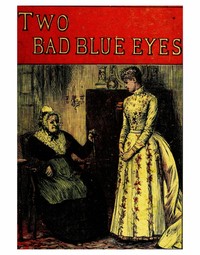
Set in the late 19th century, Rita's "Two Bad Blue Eyes" tells the story of Lauraine Douglas, a young woman on the cusp of a socially advantageous marriage to Sir Francis, yet deeply conflicted by her past. On her wedding day, amidst the grandeur and expectations, Lauraine grapples with lingering affections for her childhood friend, Keith Athelstone, a love she believed long buried. The arrival of a letter from Keith shatters her composure, forcing her to confront the stark choice between societal obligation and the yearning of her heart. The novel delves into the emotional turmoil of a woman torn between duty, family pressure, and the elusive promise of true love, setting the stage for a profound exploration of female autonomy in a restrictive era.
“Every ribbon tied felt like a knot tightening around my very soul, binding me to a fate I increasingly questioned.”
Key themes
- Love vs. Obligation
- This is the central conflict of the novel, exploring the profound tension between following one's heart (love for Keith) and fulfilling societal and familial duties (marriage to Sir Francis). The theme delves into the personal cost of sacrificing true affection for security and social standing, a common dilemma for women of the era.
- Female Autonomy and Societal Expectations
- The novel critically examines the limited agency afforded to women in the late 19th century, particularly concerning their life choices, marriage, and public roles. Lauraine's struggle highlights how women's desires were often secondary to family honor, social status, and economic security, forcing them into prescribed roles.
- The Nature of True Happiness
- This theme questions whether true happiness can be found in a life of duty, security, and social approval, or if it requires the pursuit of genuine love and personal fulfillment, even if it defies convention. Lauraine's journey forces her to define what happiness truly means to her.
Worth discussing
How does Lauraine's internal conflict reflect the broader societal pressures faced by women in the late 19th century?
Chapter-by-chapter breakdowns, character arcs and the full thematic analysis come with a free account.
Discussions
No one has started one yet
Questions this book opens up
No discussions yet
Be the first to start a discussion about this book!
Sign up to start the discussionReviews
No reviews yet
Be the first to review this book!