
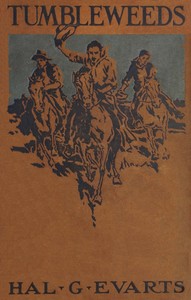
Tumbleweeds
Written by Hal G. (Hal George) Evarts
Chaptra reads alongside you — AI insights, chapter breakdowns and reader discussions for every book. Join free
About this book
Reading guide
Themes, characters and key ideas in Tumbleweeds, written by Chaptra AI.
- about 8 hours
- intermediate
- nostalgic
- ambitious
- reflective
Hal G. Evarts' "Tumbleweeds" is an early 20th-century Western novel that vividly portrays the era of American westward expansion, specifically focusing on the opening of the Cherokee Strip for settlement. It delves into the contrasting perspectives of an old settler, Joe Hinman, who harbors nostalgia for the untamed frontier, and a younger, ambitious man, Donald Carver, eager to embrace the opportunities of the changing landscape. The narrative explores the challenges, ambitions, and spirit of pioneers as they navigate a land on the cusp of transformation. Through their interactions, the book captures the tension between preserving old traditions and forging a new future in the evolving American West, setting the stage for a story of hardship and determination.
“"The West ain't what she used to be, son. The wild wind's still here, but the fences are closing in."”
Key themes
- The Changing Frontier / Westward Expansion
- This is the central theme, exploring the transition from an untamed wilderness to settled territories. It examines the physical and cultural impact of westward expansion, the closing of the frontier, and the creation of new communities. The theme delves into the challenges and opportunities inherent in this transformation.
- Nostalgia vs. Progress
- This theme explores the inherent tension between longing for a romanticized past and embracing the march of societal and technological advancement. It questions what is gained and lost when a society moves forward, particularly when it means sacrificing tradition or wildness for development.
- Ambition and Opportunity
- This theme delves into the motivations of individuals drawn to the frontier—the desire for land, wealth, a fresh start, or simply the challenge of building something new. It examines the personal drive that fueled westward expansion and the ethical dilemmas that often accompanied the pursuit of opportunity.
Worth discussing
How do Joe Hinman and Donald Carver represent two distinct visions for the American West, and which perspective do you find more compelling or tragic?
Chapter-by-chapter breakdowns, character arcs and the full thematic analysis come with a free account.
Discussions
No one has started one yet
Questions this book opens up
No discussions yet
Be the first to start a discussion about this book!
Sign up to start the discussionReviews
No reviews yet
Be the first to review this book!