
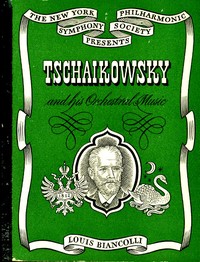
Tschaikowsky and his orchestral music
Written by Louis Biancolli
Chaptra reads alongside you — AI insights, chapter breakdowns and reader discussions for every book. Join free
About this book
Reading guide
Themes, characters and key ideas in Tschaikowsky and his orchestral music, written by Chaptra AI.
- about 8 hours
- intermediate
- analytical
- biographical
- melancholy
Louis Biancolli's "Tschaikowsky and his orchestral music" offers a compelling mid-20th century examination of the life and enduring works of Peter Ilyitch Tschaikowsky. The book masterfully intertwines biographical details, including Tschaikowsky's career shift from law to music, his complex relationships, and deep emotional turmoil, with insightful analyses of his major orchestral compositions. Biancolli demonstrates how the composer's profound melancholy and passionate sentiments are inextricably linked to his artistic output, shaping masterpieces like the "Pathetic" Symphony, "Swan Lake," and the Violin Concerto. Ultimately, the text aims to demystify the internal struggles behind Tschaikowsky's genius, enhancing appreciation for the emotional depth and universal resonance of his music.
“"Tschaikowsky's melodies are not merely beautiful; they are the very breath of a soul perpetually caught between ecstasy and profound despair." (Representative of Biancolli's analytical style)”
Key themes
- The Interplay of Life and Art
- This theme explores how Tschaikowsky's personal experiences, emotional struggles, and complex relationships were not merely background elements but direct catalysts and foundational material for his musical compositions. Biancolli consistently draws parallels between biographical events and the emotional content and structural choices within his orchestral works.
- Emotional Expression and Melancholy
- Biancolli highlights the pervasive presence of deep melancholy, despair, and passionate sentiment in Tschaikowsky's music. This theme examines how these intense emotions are not just present but are central to the music's character, providing its unique voice and universal resonance. The book argues that Tschaikowsky's genius lay in his ability to transform personal suffering into universally relatable artistic expression.
- The Nature of Artistic Genius and Vocation
- The book explores the concept of genius through Tschaikowsky's life, examining the sacrifices, internal conflicts, and unwavering dedication required to pursue an artistic vocation. It delves into the idea that genius often comes with immense personal cost and that the artist's path is frequently fraught with struggle, yet ultimately leads to enduring contributions.
Worth discussing
How does Biancolli's interweaving of biography and musical analysis enhance your understanding and appreciation of Tschaikowsky's work?
Chapter-by-chapter breakdowns, character arcs and the full thematic analysis come with a free account.
Discussions
No one has started one yet
Questions this book opens up
No discussions yet
Be the first to start a discussion about this book!
Sign up to start the discussionReviews
No reviews yet
Be the first to review this book!