
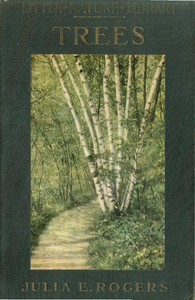
Trees Worth Knowing
Written by Julia Ellen Rogers
Chaptra reads alongside you — AI insights, chapter breakdowns and reader discussions for every book. Join free
About this book
Reading guide
Themes, characters and key ideas in Trees Worth Knowing, written by Chaptra AI.
- about 8 hours
- intermediate
- Informative
- Appreciative
- Educational
"Trees Worth Knowing" by Julia Ellen Rogers, part of the "Little Nature Library" series, serves as a foundational early 20th-century nature guide primarily focused on North American trees. The book comprehensively explores tree anatomy, growth processes, and specific species, aiming to cultivate a deeper understanding of the natural world. Rogers encourages readers to leverage their inherent knowledge and enhance it through direct observation and exploration of their local environments. Blending scientific detail with poetic language, the text illuminates the life cycle of trees, their adaptations, and their vital roles within both ecological systems and human civilization, setting the stage for a deeper exploration of their significance.
“Everyone possesses a foundational understanding of trees from their daily lives; the task is to cultivate this knowledge through observation and exploration.”
Key themes
- Connection to Nature through Observation
- The book's central tenet is that a deep and meaningful connection to the natural world, specifically trees, is forged through active, mindful observation and exploration. Rogers encourages readers to move beyond superficial recognition to cultivate a profound understanding of their arboreal surroundings.
- Scientific Literacy and Botanical Understanding
- Rogers aims to equip readers with a solid scientific understanding of trees, covering their anatomy, physiological processes, and classification. This theme emphasizes the importance of accurate knowledge as a basis for appreciation and informed interaction with nature.
- Environmental Appreciation and the Value of Trees
- Beyond mere identification, the book instills a deep appreciation for the intrinsic and instrumental value of trees. It highlights their critical roles within ecosystems and their multifaceted contributions to human well-being, fostering a sense of respect and stewardship.
Worth discussing
How does Rogers's emphasis on direct observation resonate with modern approaches to nature education?
Chapter-by-chapter breakdowns, character arcs and the full thematic analysis come with a free account.
Discussions
No one has started one yet
Questions this book opens up
No discussions yet
Be the first to start a discussion about this book!
Sign up to start the discussionReviews
No reviews yet
Be the first to review this book!