
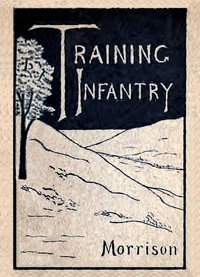
Training Infantry
Written by John F. (John Frank) Morrison
Chaptra reads alongside you — AI insights, chapter breakdowns and reader discussions for every book. Join free
About this book
Reading guide
Themes, characters and key ideas in Training Infantry, written by Chaptra AI.
- about 8 hours
- intermediate
- instructive
- authoritative
- disciplined
John F. Morrison's "Training Infantry" is a pivotal early 20th-century military manual, meticulously crafted from the author's extensive experience as an infantry officer. It serves as a comprehensive guide for effectively preparing infantry soldiers for the harsh realities of combat, moving beyond mere peacetime drills. The book emphasizes a structured approach to training, highlighting the critical role of foundational skills, disciplined habits, and the psychological conditioning necessary for automatic, effective responses under battlefield stress. Morrison's work distinguishes itself by advocating for practical, rigorous instruction designed to forge competent and resilient fighting units. It systematically outlines methodologies for officers to instill both tactical proficiency and mental fortitude in their troops.
“The true test of training lies not in the precision of the parade ground, but in the chaos of battle.”
Key themes
- Discipline and Habit Formation
- This theme is central to Morrison's philosophy, emphasizing that true combat readiness comes from ingrained habits and automatic, correct responses. He argues that under the stress of battle, soldiers revert to their most practiced actions, making consistent, rigorous training paramount. Discipline is presented not as blind obedience, but as the cultivated ability to perform effectively and instinctively.
- Leadership and Instructional Effectiveness
- Morrison places significant emphasis on the role of the officer as a trainer and instructor, not merely a commander. He provides insights into effective teaching methodologies, the importance of clear communication, and the necessity for leaders to be intimately involved in the development of their troops' skills and morale. Effective leadership is seen as the catalyst for successful training and, ultimately, combat performance.
- Psychological Preparedness for Combat
- A forward-thinking theme for its era, Morrison explicitly addresses the psychological toll of combat and the necessity of preparing soldiers mentally. He understands that fear and chaos are inherent to battle and that training must inoculate soldiers against these stressors, allowing them to perform effectively when confronted with danger. This involves creating a mental resilience and the confidence derived from thorough preparation.
Worth discussing
How does Morrison's distinction between peacetime drills and combat training remain relevant in modern military contexts?
Chapter-by-chapter breakdowns, character arcs and the full thematic analysis come with a free account.
Discussions
No one has started one yet
Questions this book opens up
No discussions yet
Be the first to start a discussion about this book!
Sign up to start the discussionReviews
No reviews yet
Be the first to review this book!