
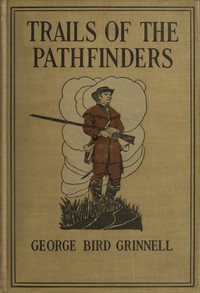
Trails of the Pathfinders
Written by George Bird Grinnell
Chaptra reads alongside you — AI insights, chapter breakdowns and reader discussions for every book. Join free
About this book
Reading guide
Themes, characters and key ideas in Trails of the Pathfinders, written by Chaptra AI.
- about 8 hours
- intermediate
- historical
- adventurous
- informative
George Bird Grinnell's "Trails of the Pathfinders" is an early 20th-century historical account chronicling the intrepid journeys of 18th and 19th-century North American explorers and fur traders. The book meticulously details the immense challenges these pioneers faced as they pushed into previously uncharted territories of the American West, then largely populated by Indigenous peoples and wildlife. Grinnell reflects on the profound impact these expeditions had on the trajectory of westward expansion, highlighting the pivotal roles of figures like Lewis and Clark and the catalytic influence of the fur trade. Through specific narratives and historical context, the work illuminates the struggles, contributions, and lasting legacy of those who forged the initial paths across the continent, setting the stage for the unfolding American Frontier.
“The vast unknown stretched before them, a canvas awaiting the bold strokes of human endeavor.”
Key themes
- Westward Expansion and Manifest Destiny
- This is the overarching theme, exploring the relentless drive of European-American settlers and explorers to push the boundaries of the United States westward. Grinnell details the practical steps—exploration, mapping, resource exploitation—that facilitated this expansion, implicitly supporting the prevailing idea of America's 'destiny' to control the continent.
- Human vs. Wilderness
- The book vividly portrays the immense struggle between human will and the untamed natural world. Explorers and traders constantly battled harsh weather, difficult terrain, dangerous wildlife, and the sheer isolation of the wilderness. This theme highlights human resilience, ingenuity, and vulnerability in the face of nature's power.
- The Role of the Fur Trade
- The book emphasizes the fur trade as a primary economic engine and a driving force behind exploration. The pursuit of beaver pelts and other valuable furs motivated countless individuals to venture into unknown territories, leading to the mapping of rivers, mountains, and the establishment of trade networks that predated and often paved the way for permanent settlement.
Worth discussing
How does Grinnell's early 20th-century perspective shape his portrayal of westward expansion and Indigenous peoples?
Chapter-by-chapter breakdowns, character arcs and the full thematic analysis come with a free account.
Discussions
No one has started one yet
Questions this book opens up
No discussions yet
Be the first to start a discussion about this book!
Sign up to start the discussionReviews
No reviews yet
Be the first to review this book!