
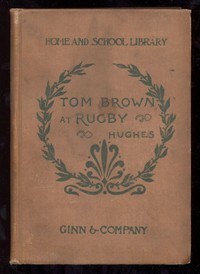
Tom Brown at Rugby
Written by Thomas Hughes
Chaptra reads alongside you — AI insights, chapter breakdowns and reader discussions for every book. Join free
About this book
Reading guide
Themes, characters and key ideas in Tom Brown at Rugby, written by Chaptra AI.
- about 8 hours
- intermediate
- uplifting
- nostalgic
- didactic
Thomas Hughes's "Tom Brown at Rugby" is a seminal novel chronicling the formative years of Tom Brown, a spirited country boy, as he navigates the challenging environment of Rugby School in mid-19th century England. The narrative follows Tom's journey from a mischievous youth to a morally upright young man, shaped by the friendships he forms, the bullies he confronts, and the overarching moral influence of the legendary headmaster, Dr. Arnold. It explores the ideals of public school education, emphasizing character development, the cultivation of Christian manliness, and the importance of loyalty and responsibility. The book serves as both a nostalgic memoir and a didactic commentary on the values essential for producing honorable English gentlemen.
“"Play up! play up! and play the game!"”
Key themes
- Education and Character Development
- The central theme, exploring how the public school environment, under Dr. Arnold's influence, serves as a crucible for shaping boys into honorable men. It emphasizes moral instruction, self-discipline, and the development of virtues over mere academic achievement.
- Manliness and Morality (Muscular Christianity)
- Hughes champions the Victorian ideal of 'muscular Christianity,' combining physical prowess, courage, and a robust spirit with strong Christian moral principles, honesty, and a sense of duty. True manliness is depicted as having the strength to do what is right, even under pressure.
- Friendship and Loyalty
- The novel highlights the profound importance of friendships forged in youth, particularly within the isolated environment of a boarding school. Loyalty, mutual support, and shared experiences are shown to be crucial for navigating challenges and personal growth.
Worth discussing
How does Dr. Arnold's educational philosophy, as depicted in the book, compare with modern educational approaches? What are its strengths and weaknesses?
Chapter-by-chapter breakdowns, character arcs and the full thematic analysis come with a free account.
Discussions
No one has started one yet
Questions this book opens up
No discussions yet
Be the first to start a discussion about this book!
Sign up to start the discussionReviews
No reviews yet
Be the first to review this book!