
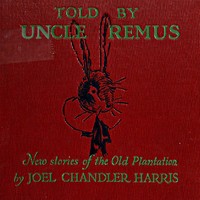
Told by Uncle Remus: New Stories of the Old Plantation
Written by Joel Chandler Harris
Chaptra reads alongside you — AI insights, chapter breakdowns and reader discussions for every book. Join free
About this book
Read it with a club
Chaptra's fiction clubs — small groups reading the same books and talking as they go.


CraxMe Readers Book Club
Fiction
- 385 members
- 227 discussions
- Started December 2025
Welcome to the Readers Book Club. This is an informal group for like-minded people, where you can discuss books, share and recommend, track your reading progress, and lots more. Discuss Books — all about books. Discuss a particular book or genre, share your favourite quotes. Book Reviews — loved a book and highly recommend it? Or was it just average? Share your review and discuss with fellow readers. (May contain spoilers.) Group Reads — what is a book club without a group read! Buddy Reads — planning to read a book and looking for someone to read it with? Post in the Buddy Read request thread, find a reading buddy, and start discussing.
Read Told by Uncle Remus: New Stories of the Old Plantation alongside people who are reading it too.
Also here: Doorstops, First Lines Club
Chaptra Prime — paid clubs, every club feature, and unlimited reading support, for $5 a month or $60 once.
See PrimeReading guide
Themes, characters and key ideas in Told by Uncle Remus: New Stories of the Old Plantation, written by Chaptra AI.
- about 8 hours
- intermediate
- humorous
- folksy
- wise
Joel Chandler Harris's "Told by Uncle Remus: New Stories of the Old Plantation" is a significant collection of African American folktales, presented through the endearing character of Uncle Remus. This volume continues the tradition of the wise elder sharing whimsical and often moralistic stories of animal characters, most notably the cunning Brother Rabbit, to a curious young boy. The narratives, rooted in oral tradition, explore themes of survival, wit, and resilience against formidable odds, all while preserving a unique cultural heritage. Through humorous anecdotes and engaging dialogue, the book offers insights into the values and ingenuity of an enslaved people, framed by the gentle, reflective interactions between Remus and his young listener.
“"B'er Rabbit, he a mighty man wid his tricks, but he ain't allers a-gittin' de bes' er de argymint."”
Key themes
- The Power of Wit Over Strength
- This is the most dominant theme, exemplified by Brother Rabbit consistently outsmarting his larger, physically superior adversaries. It speaks to the idea that intelligence, cunning, and strategic thinking can overcome brute force and oppressive power structures.
- Preservation of Oral Tradition and Cultural Heritage
- The entire structure of the book, with Uncle Remus telling stories to the little boy, highlights the vital role of oral tradition in transmitting cultural values, history, and identity across generations, particularly within the African American community.
- Resilience and Survival
- The animal tales, particularly those involving Brother Rabbit, are allegories for survival in a hostile environment. They reflect the resilience required to endure hardship, overcome oppression, and find ways to thrive despite overwhelming odds.
Worth discussing
How does the use of dialect affect your reading experience, and what are the arguments for and against its inclusion in literature?
Chapter-by-chapter breakdowns, character arcs and the full thematic analysis come with a free account.
Discussions
No one has started one yet
Questions this book opens up
No discussions yet
Be the first to start a discussion about this book!
Sign up to start the discussionReviews
No reviews yet
Be the first to review this book!