
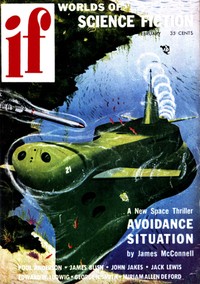
To Pay the Piper
Written by James Blish
Chaptra reads alongside you — AI insights, chapter breakdowns and reader discussions for every book. Join free
About this book
Reading guide
Themes, characters and key ideas in To Pay the Piper, written by Chaptra AI.
- about 8 hours
- intermediate
- dark
- dystopian
- tense
James Blish's "To Pay the Piper" is a mid-20th century science fiction novel set on a post-apocalyptic Earth devastated by biological warfare. The narrative explores the desperate struggle for survival and societal reconstruction through the lens of the Re-Ed Project, an initiative to adapt humans to the toxic surface. Dr. Samuel Carson, a medical director, navigates the complex ethical landscape of this project, which pits military authority against the yearning of civilians to reclaim their lost world. As mutated diseases emerge and a conspiracy involving the enigmatic Secretary Hamelin unfolds, the story forces characters to confront profound moral quandaries and the ultimate price of their collective future.
“"The surface demands its due, and we, the inheritors of its poison, must pay the piper whether we played the tune or not."”
Key themes
- Survival and Adaptation
- This is the core theme, explored through humanity's struggle to exist in a post-apocalyptic world and the radical Re-Ed Project designed to genetically and psychologically adapt people to a toxic environment. It raises questions about the limits of human resilience and the ethical cost of transforming humanity to survive.
- Societal Breakdown and Reconstruction
- The novel portrays a society shattered by war, forced to rebuild under extreme conditions. It examines the hierarchies, political struggles (military vs. civilian), and moral compromises inherent in creating a new order from chaos, highlighting the fragility of governance and social cohesion.
- Consequences of War
- Blish directly confronts the devastating, long-term impact of biological warfare, not just on the environment but on human society, ethics, and the very definition of humanity. It serves as a cautionary tale about the irreversible damage caused by unchecked conflict and advanced weaponry.
Worth discussing
Discuss the ethical implications of the Re-Ed Project. At what point does adaptation become a violation of human identity?
Chapter-by-chapter breakdowns, character arcs and the full thematic analysis come with a free account.
Discussions
No one has started one yet
Questions this book opens up
No discussions yet
Be the first to start a discussion about this book!
Sign up to start the discussionReviews
No reviews yet
Be the first to review this book!