
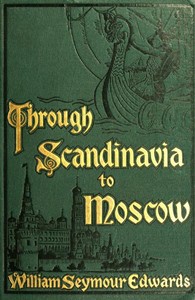
Through Scandinavia to Moscow
Written by William Seymour Edwards
Chaptra reads alongside you — AI insights, chapter breakdowns and reader discussions for every book. Join free
About this book
Reading guide
Themes, characters and key ideas in Through Scandinavia to Moscow, written by Chaptra AI.
- about 8 hours
- intermediate
- exploratory
- reflective
- observational
William Seymour Edwards' "Through Scandinavia to Moscow" is an early 20th-century travelogue chronicling his intimate journey across Northern Europe, framed as a collection of letters penned during his honeymoon. The narrative embarks from London, traverses the North Sea to Denmark, and continues through Scandinavia before culminating in Moscow. Edwards offers vivid descriptions of landscapes, cultures, and personal encounters, from fellow travelers on a ship to the serene Danish countryside. The book serves as a personal testament to the spirit of adventure and cultural observation of its era, providing readers with a charming glimpse into a bygone world of European travel.
“No specific quotes can be provided without access to the full text of the book. The analysis is based on the provided summary.”
Key themes
- Travel and Discovery
- The central theme of the book, revolving around the physical act of journeying through diverse landscapes and the intellectual process of discovering new places, cultures, and self. It explores the allure of the unknown and the transformative power of venturing beyond familiar surroundings.
- Cultural Observation and Comparison
- Edwards consistently observes and contrasts the cultures, customs, and daily lives of the people he encounters in Scandinavia and Russia with his own British background. This theme highlights the differences and similarities between societies and offers insights into early 20th-century European identities.
- Historical Snapshot of Early 20th-Century Europe
- The book serves as a valuable historical document, capturing the political, social, and cultural landscape of Europe just before the seismic shifts of the two World Wars and the Russian Revolution. It provides insights into what travel was like, what aspects of different countries were noteworthy, and the general atmosphere of the time.
Worth discussing
How does Edwards' portrayal of early 20th-century travel compare to modern travel experiences?
Chapter-by-chapter breakdowns, character arcs and the full thematic analysis come with a free account.
Discussions
No one has started one yet
Questions this book opens up
No discussions yet
Be the first to start a discussion about this book!
Sign up to start the discussionReviews
No reviews yet
Be the first to review this book!